Occupational health and safety
Key indicators for 2025
Lost Time Injury Rate (LTIFR )
0.57
Fatal injury rate (FAR, FR)
57.50
Number of road traffic accidents (RTA)
1
Number of fires
0
Number of accidents
1
Level of general availability of systems (GA)
99.99986 %

Volume of occupational safety expenditure
3.92941
KZT billion

Contribution to the UN SDGs
Key documents in the field of occupational health and safety
- Development Plan (Strategy) of KEGOC JSC for 2023–2032
- Guide to Sustainable Development Management Systems
- Occupational Health and Safety Policy
- Objectives in the areas of quality, ecology, occupational safety and health
- Register of hazards and risks
- Occupational Health and Safety Management System Guide
- Standard for the management of occupational health and safety management system planning
- Standard for Behavioral Auditing
- Standard for safety management in the performance of work by contractors
- Rules for investigating accidents, incidents and reporting on occupational safety and health
- Occupational safety rules when working at height
GRI 2-24, GRI 403-1, GRI 403-8
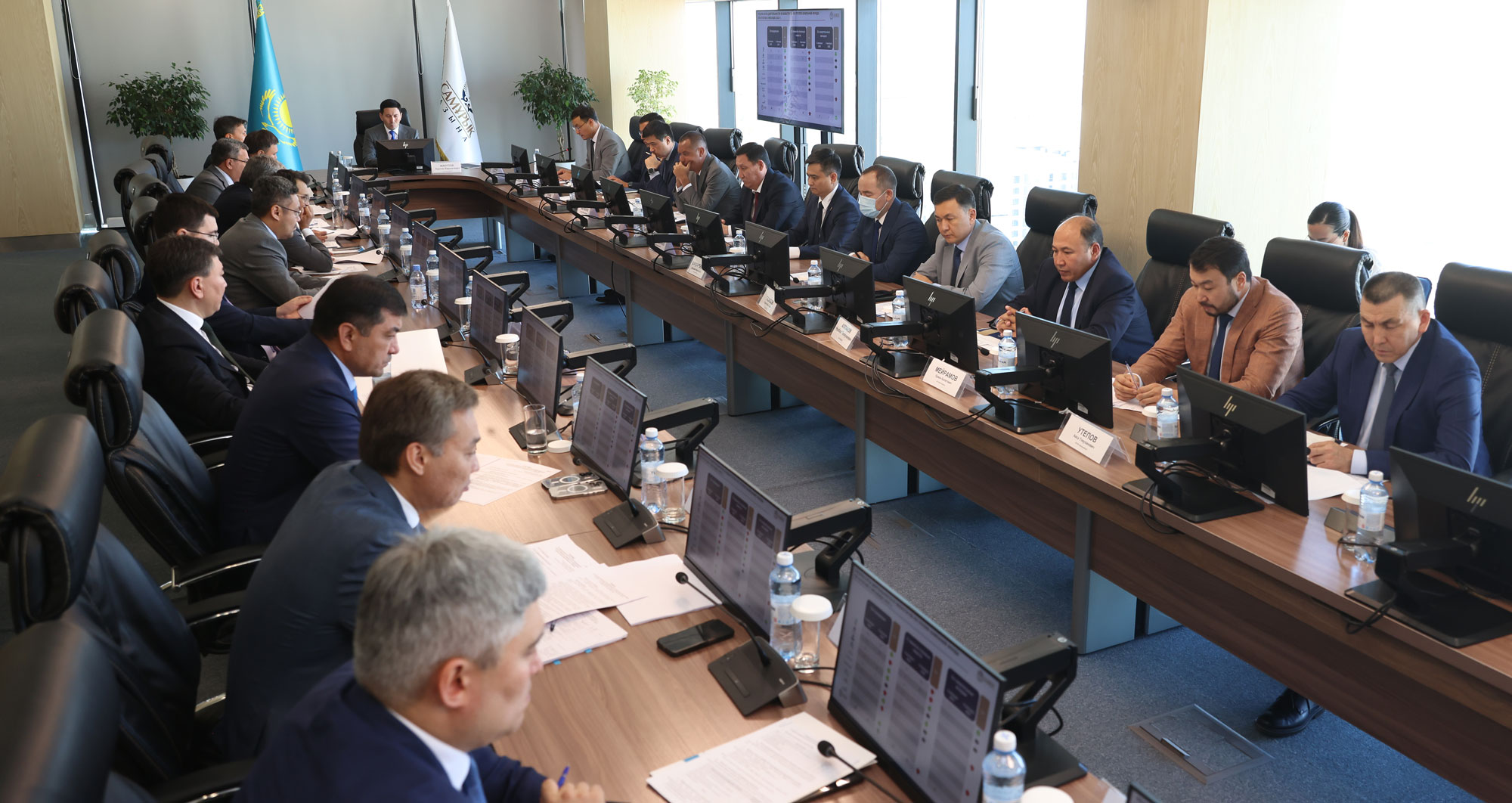
KEGOC JSC views occupational safety and employee health as an absolute priority. The Company is systematically working to create safe working conditions, reduce occupational injuries, improve sanitary and living conditions, and minimize workers’ exposure to harmful factors.
The Company has implemented and successfully operates an Occupational Health and Safety Management System (OHSMS) based on ISO 45001, which is an integral part of the Company’s integrated management system and applies to the activities of all structural divisions and subsidiaries of the Company and its contractors. The scope of the OHSMS is to perform the functions of a system operator in the field of electric power: providing system services to entities of the wholesale electricity market for the transmission of electric power through the National Power Grid, technical dispatching and organizing the balancing of production and consumption of electric power.
In order to confirm the compliance of KEGOC JSC with the OHSMS, a certification audit was conducted in 2023 by the independent certification body MS CERTIFICATION SERVICES PRIVATE LIMITED (India), and a supervisory audit was conducted in 2025, which confirmed the compliance of the OHSMS with the requirements of international standards.
An occupational health and safety program is developed annually, defining necessary measures, costs, and implementation deadlines. The company has successfully implemented and achieved certification for compliance with the international standard ISO 45001:2018.
GRI 403-3
In accordance with the requirements of the legislation of the Republic of Kazakhstan, the Company provides mandatory insurance for employees against accidents related to their work (official) duties. Additionally, the Company provides 24/7 life and health insurance for employees against accidents not related to work (24/7), as well as voluntary health insurance in case of illness, to enhance the level of social protection for employees.
Each branch has established Occupational Health and Safety Services, whose tasks include implementing organizational and technical measures for occupational safety and health, organizing and implementing internal controls on occupational safety and health, ensuring employee compliance with regulatory requirements on occupational safety and health, etc.
GRI 403-2, GRI 403-3, GRI 403-4
To ensure effective dialogue between employees and employers regarding occupational safety, KEGOC JSC and its subsidiaries have established industrial safety and health councils. These councils operate on a parity basis, with representatives from both sides participating, and aim to consolidate efforts to ensure safe working conditions and occupational health.
Appointed technical inspectors participate in regular inspections of working conditions, health and safety, and occupational safety. All Company employees have not only the obligation but also the right to suspend work if potentially hazardous conditions or actions are detected. Company management guarantees full support for employees should they decide to suspend unsafe work.
At least once per quarter, Production Councils consider employee proposals for improving working conditions and safety, based on which measures are developed that are mandatory for both employers and employees.
Risk assessment
GRI 403-2, GRI 403-7, GRI 403-10
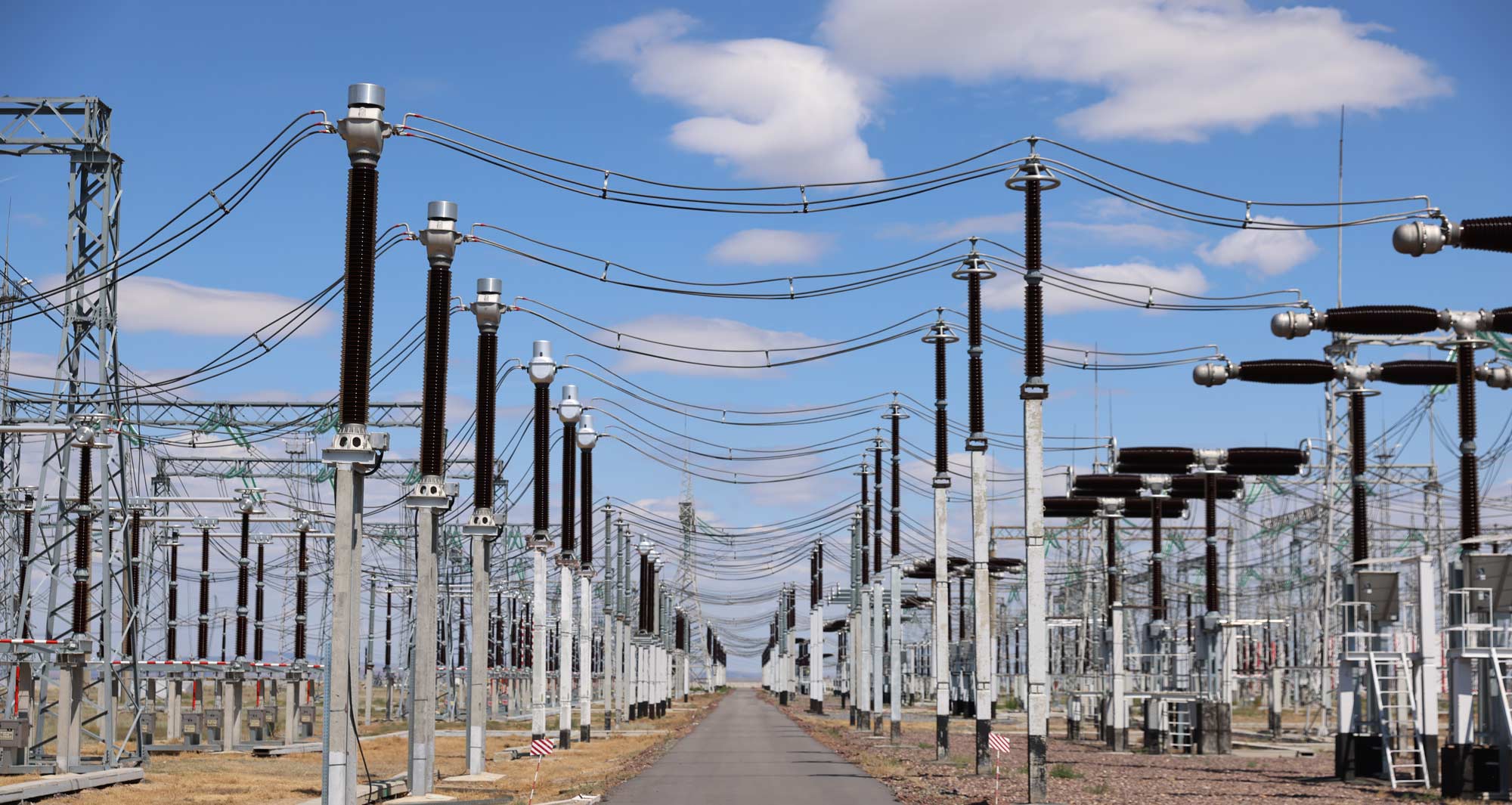
KEGOC JSC annually identifies and assesses occupational risks in the workplace. Based on this work, a risk register is compiled, a list of significant occupational health and safety risks is created, and mitigation measures are developed.
Risk analysis is conducted taking into account the likelihood of their occurrence and potential consequences. Key risks that could negatively impact the Company’s operations and the achievement of its strategic goals are identified. Depending on the specifics, qualitative, quantitative methods, or a combination of both are used in the assessment.
The assessment, analysis and management of hazards and risks is carried out to set goals in the field of occupational safety and health management and to achieve an acceptable level of impact of industrial and economic activities on the environment and employees of KEGOC JSC.
The results of the hazard and risk assessment and analysis serve as input for the development of target and planned indicators. The hazard and risk assessment and analysis are based on activity and hazard classifiers applicable to KEGOC JSC’s operations, taking into account the geographic location and climate, and include:
- identification of hazards and risks based on classifiers;
- risk assessment with existing management measures in place;
- identification of all necessary additional risk management measures;
- assessing whether risk management measures are sufficient to reduce the risk to an acceptable level.
After identifying the impact factors affecting the workplaces of structural divisions, a risk register is completed using the FMEA method. Based on the assessment results, lists of significant occupational safety and health risks for KEGOC JSC are compiled. To mitigate these risks, necessary measures are identified and formalized as annual programs.
One of the key risks for the Company’s activities is the risk of an accident related to work activities.
In order to minimize this risk, the following measures were taken in 2025:
- qualification tests of knowledge of labor protection and industrial safety standards;
- analysis of video recording materials of the process of operational switching and repair work;
- Safety Days;
- surprise inspections of workplaces in MES branches;
- behavioral safety audits when performing work in the workplace;
- monitoring drivers’ compliance with speed limits through satellite monitoring systems and viewing video recordings from dashcams, etc.,
- the "STOP Road Accidents" campaign was carried out with a demonstration of a frontal collision simulator and training of the Company’s employees on it;
- to improve the "Safe Driving Culture" and ensure drivers comply with traffic regulations, the "Online Video Monitoring" information system, which utilizes artificial intelligence technologies, is being used;
- in order to improve the safety culture, 3,765 employees were trained in the course “Safe Work Culture” with the involvement of internal trainers;
- to implement best international practices in occupational safety, 10 employees completed the NEBOSH IGC course;
- in order to improve driving culture, 157 drivers completed the “Safe Driving” training course “ROSPA”;
- 16,058 behavioral security audits were conducted;
- 12 Safety Days were held at all MES branch facilities;
- 2,027 emergency response and 1,825 fire safety drills were conducted;
- the STOP card, the right to stop unsafe work in the opinion of workers, was used 1,044 times;
- the Company’s employees undergo all types of mandatory occupational health and safety training at least once every three years, as well as qualification tests on their knowledge of electric power industry regulations. The Company participated in the KIOSH 2025 occupational health and safety conferences. A forum on occupational health and safety was held. with the participation of employees responsible for creating safe working conditions with the involvement of experienced occupational safety specialists from third-party organizations.
GRI 403-5
Before being allowed to work, employees undergo training in safe work practices, on-the-job training, an initial knowledge qualification test, control training, and on-the-job duplication, all carried out under the supervision of the person responsible for training.
Training on providing first aid was conducted with the involvement of a medical organization.
GRI 403-2, GRI 403-3, GRI 403-10
The Company conducts mandatory pre-shift and post-shift medical examinations for employees engaged in heavy work, work involving harmful and/or hazardous working conditions, and pre-trip and post-trip medical examinations for drivers. Additionally, to ensure employee health and disease prevention, production personnel undergo annual medical examinations at medical facilities. This examination maintains the confidentiality of personal medical data, health status, disease diagnosis, and other information obtained during the examination or treatment of the Company employee, in accordance with the Code on Public Health and the Healthcare System of the Republic of Kazakhstan.
In 2025, no occupational diseases were registered among employees of KEGOC JSC, outstaffed workers, or employees of contractors.
The Company operates a comprehensive emergency preparedness and response management system, integrated into the existing occupational health and safety system. The Company has an Emergency Response Plan, integrated into the occupational health and safety system, which applies to all structural divisions and branches.
Emergency plans provide clearly defined action plans for worker protection, aimed at preserving the lives and health of personnel, minimizing the consequences of accidents, and ensuring the sustainability of production processes. These plans define:
- safety procedures for personnel in the event of emergency situations at production facilities, including the procedure for notification, evacuation, localization and elimination of consequences;
- actions of employees in emergency situations, including algorithms for behavior in the event of a fire, technological failures, natural disasters and other emergency situations;
- distribution of responsibility between managers and employees for the coordination and implementation of response activities.
Particular attention is paid to personnel training. The Company implements systematic employee training programs aimed at developing skills for appropriate and timely response to emergency situations.
All employees undergo annual training and drills on emergency procedures. This training includes:
- mandatory briefings for employees upon hiring and periodic refresher briefings;
- practical training in evacuation and practicing scenarios of possible emergency situations;
- targeted training on the use of personal protective equipment and first aid.
Regularly conducting emergency drills and practical exercises maintains a high level of personnel readiness and ensures the Company’s resilience to potential emergencies. Integrating emergency response measures into the occupational safety system fosters a safety culture and increases the responsibility of each employee for compliance with industrial and production safety requirements.
The training program includes fire-fighting exercises, emergency response training scenarios, and evacuation drills.
To ensure preparedness in case of fire during emergency situations at the facilities of KEGOC JSC, fire safety drills are regularly conducted with the participation of the Emergency Situations Department.
KEGOC JSC has a continuous training and professional development system that promotes the development of fire safety competencies. During 2025, 161 employees completed fire safety training. The training covered the following:
- Actions during evacuation;
- Use of primary fire extinguishing equipment (fire extinguishers, fire hydrants), operation of automatic alarm systems;
- Information on the duties and responsibilities of employees for compliance with fire safety requirements;
- Legislation, fire safety regulations, liability for violations.
Occupational injuries
GRI 403-9, SASB IF-EU-320a.1
To assess the level of organization of safe working conditions at KEGOC JSC, the international indicator LTIFR (Lost Time Injury Frequency Rate) is used – the frequency rate of injuries with loss of ability to work, including fatal cases (FAR and FR) related to work activities.
This indicator reflects the number of registered cases of lost working time (LTI) per 1 million man-hours worked and is a key benchmark in international practice for assessing the effectiveness of occupational health and safety management systems.
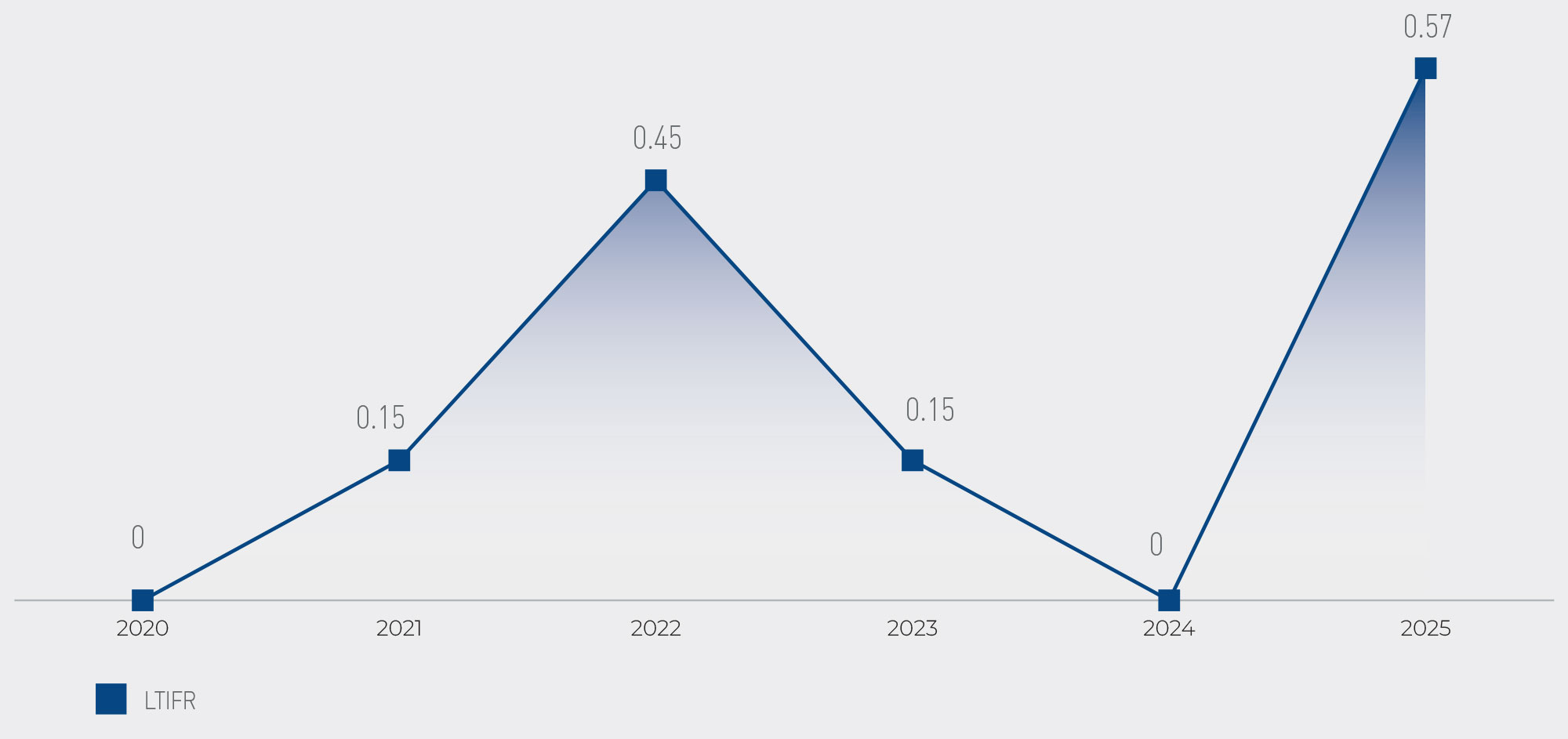
In 2025, the LTIFR value was 0.57, with a total of 6,956,740 man- hours worked (in 2024 – 0; excluding Energoinform JSC – 0). For the reporting period, the fatal injury rate (FAR) was 57.5. The data on the indicators were verified by an independent audit organization.
GRI 403-2
In the event of an incident, the Company’s employees are guided by the rules governing the processes of investigating incidents and reporting on occupational safety and health.
The causes of accidents inherent in the Company’s activities are:
- fall from a height;
- electrical injury;
- road traffic accident.
In 2025, there were 2 work-related accidents:
On May 28, an accident occurred at the 500 kV Alma substation of the Almaty MES branch, resulting in the death of one worker. According to the commission’s findings, the accident occurred due to the failure of a portable grounding clamp, resulting in the worker being exposed to induced voltage. The company immediately implemented a series of organizational and preventative measures aimed at preventing similar incidents: unscheduled checks of regulatory requirements were conducted, additional training sessions were organized, and an investigation of the circumstances of the incident was conducted to identify the root causes. Additional measures were introduced to ensure safe work practices, including the use of backup portable grounding systems when working under induced voltage, and the technical requirements for portable grounding systems were tightened.
On December 12, a traffic accident involving a company vehicle belonging to the Severnye MES branch occurred, resulting in the deaths of three Company employees. According to the commission’s findings, the accident occurred when the driver of a KamAZ-65115 truck with a trailer belonging to a third party failed to ensure road safety, drove into oncoming traffic, and collided with a vehicle belonging to the Severnye MES branch. To improve transport safety, measures have been taken to tighten travel requirements and conduct additional training for drivers and employees using company vehicles.
The company will continue to improve its industrial risk management system and implement preventative measures aimed at reducing the likelihood of road accidents.
Frequency rate of lost-time injuries among employees of KEGOC JSC (excluding Energoinform JSC)
GRI 403-5, GRI 403-7, GRI 403-8, GRI 403-9, EU18
The Company extends occupational health and safety, industrial safety, and human rights requirements to contractors and subcontractors engaged in project implementation and work at the Company’s production facilities, as well as outstaffing organizations. This approach is based on the principles of transparency, non-discrimination, non-forced and child labor, safe working conditions, and respect for workers’ rights in accordance with the laws of the Republic of Kazakhstan, the Company’s internal regulations, and international standards.
When concluding contracts with contractors, obligations to comply with occupational health and safety requirements, labor laws, and the Company’s corporate standards are included. If violations are identified, corrective measures are taken, including the imposition of contractual liability.
All tender documentation and all contracts for the performance of work and provision of services include requirements for compliance with the legislation of the Republic of Kazakhstan, as well as the Company’s internal regulations in the field of labor protection and industrial safety.
During the contractor prequalification stage, some suppliers undergo a prequalification process (PQS) conducted within the Samruk-Kazyna Fund group procurement system. The assessment includes an analysis of the level of personnel training, the availability of personal protective equipment, injury rates, and the availability of risk management and incident investigation procedures. Contractors who do not meet established occupational health and safety requirements are not permitted to participate in procurement procedures.
Before work commences, kickoff meetings are held with contractor representatives. All contractor employees undergo introductory and targeted training on occupational health and fire safety. Targeted training is conducted daily, explaining current hazardous and harmful production factors at the Company’s facilities. Engineering and technical personnel at contractors also receive training in the "Occupational Safety Culture" course.
During work, internal monitoring of compliance with occupational health and safety requirements is carried out, including regular behavioral safety audits (BSA) and assessments of contractor performance in this area. All contractor and outsourced employees engaged in work at production facilities are 100 % covered by KEGOC JSC‘s occupational health and safety management system.
In 2024 and 2025, no accidents, including fatalities, were registered among employees of contracting and outstaffing organizations related to work at the Company’s facilities.