Our people
Key indicators for 2025
The staff turnover rate is
7.21 %

Social Stability Index (SRS) growth
88%

Salaries/tariff rates have been increased from April 1, 2025.
key employees of branches – by
15 %

for operators of aerial platforms, hydraulic lifts and truck cranes – by
20 %

other workers – by
10 %

to employees of the Executive Directorate – based on the results of the performance assessment

engineering, technical, and administrative personnel of branches – by
10 %

Contribution to the UN SDGs
Key documents in the field of human resources management
- Development Plan (Strategy) of KEGOC JSC for 2023–2032
- Code of Conduct (Business Ethics)
- HR policy of KEGOC JSC
- Standard for training and development of personnel
- Rules for searching and selecting personnel
- Rules for assessing employee performance
- Talent Management Guidelines
- Rules for remuneration and bonuses of personnel
- Rules for providing social support to employees
Human capital is a key social asset for KEGOC JSC and the foundation of the Company’s sustainable development. Building, developing, and retaining the professional potential of its employees is considered a strategic priority, directly impacting the reliability of production operations, occupational safety, and the Company’s long-term performance. KEGOC JSC’s HR policy is aimed at creating a safe and supportive work environment, developing the competencies, engagement, and social stability of its personnel, and ensuring equal opportunities for professional and career advancement.
Effective human resource management ensures optimal resource allocation, a fair incentive system, transparency in employment processes, career growth, and professional development of employees.
The key areas of work with people are:
- search and selection of personnel;
- training and development;
- performance evaluation;
- reward;
- development of industrial relations;
- social support;
- development of corporate culture;
- improving HR processes.
Personnel structure
One of the goals of HR policy is proactive human resource planning to ensure effective portfolio management. Short- and medium-term personnel planning and budgeting are carried out based on the analysis of HR indicators, research findings, identified needs, investment programmes, and other relevant factors.
GRI 2-7, GRI 2-8
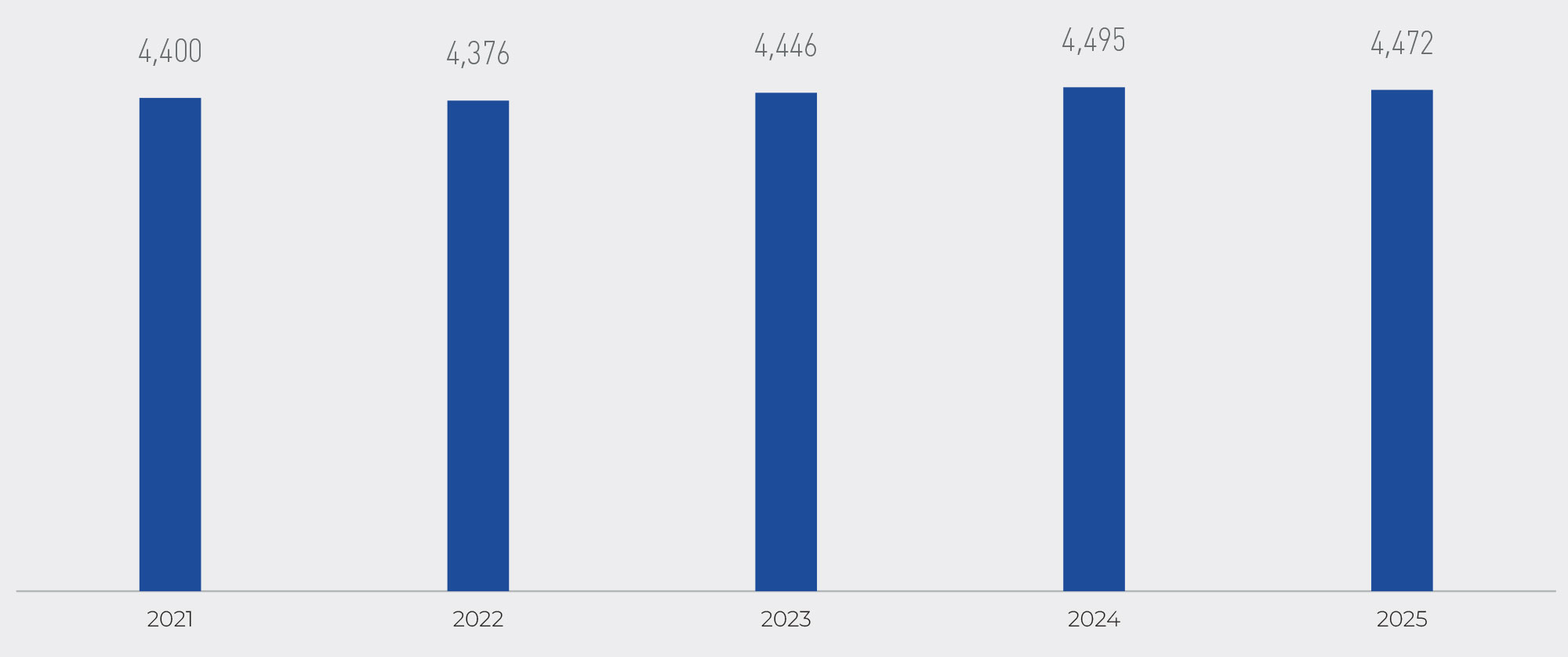
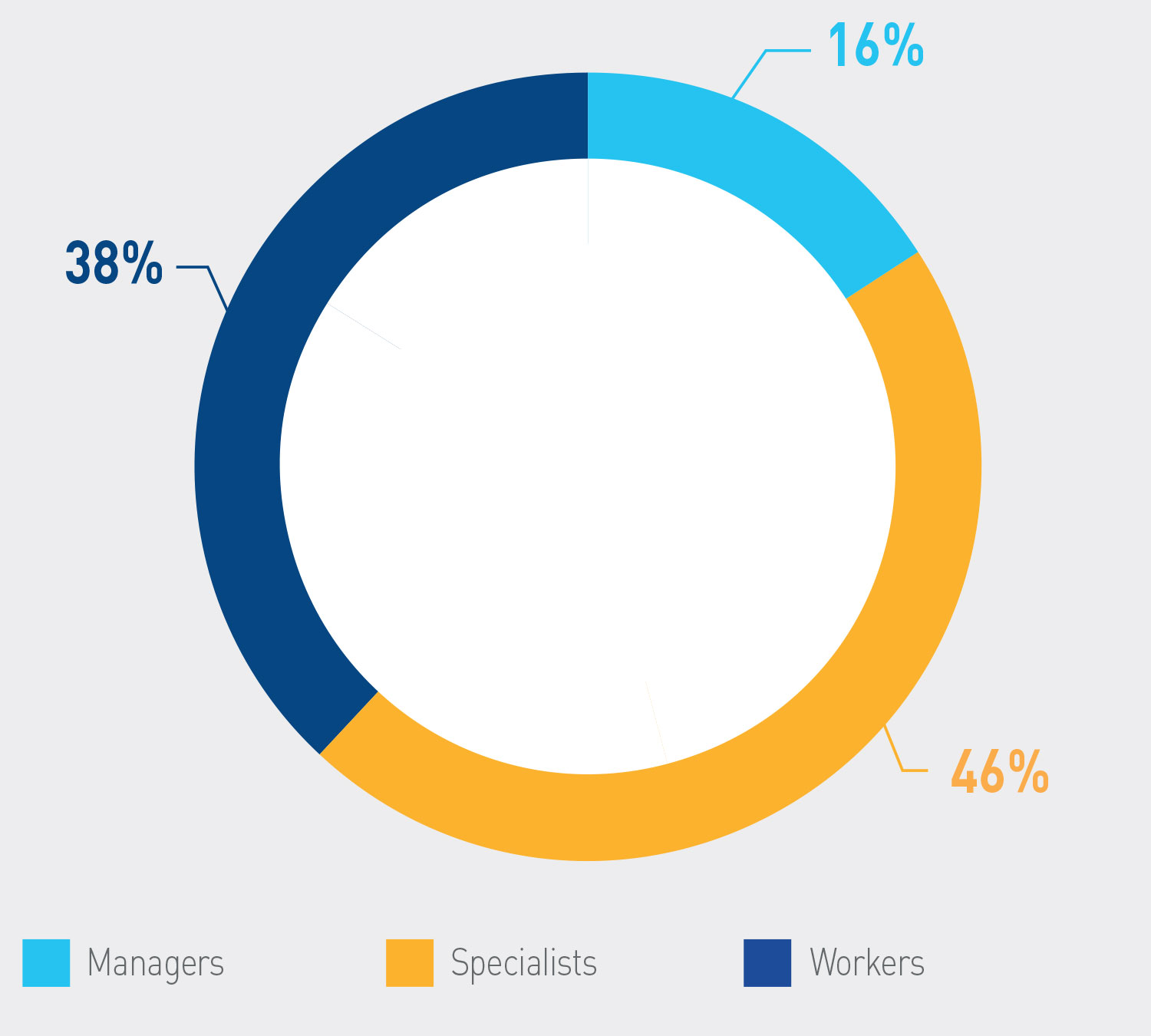
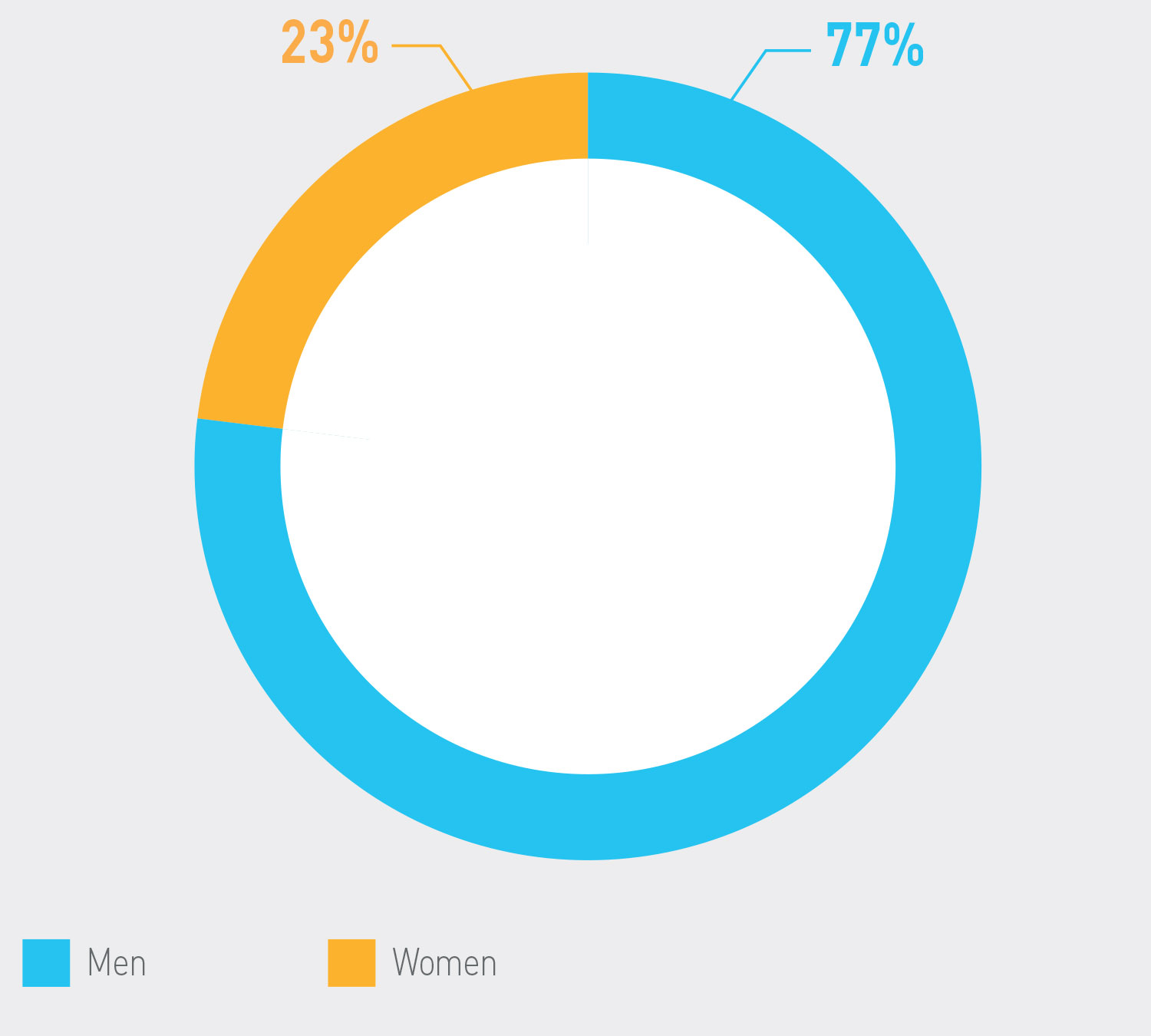
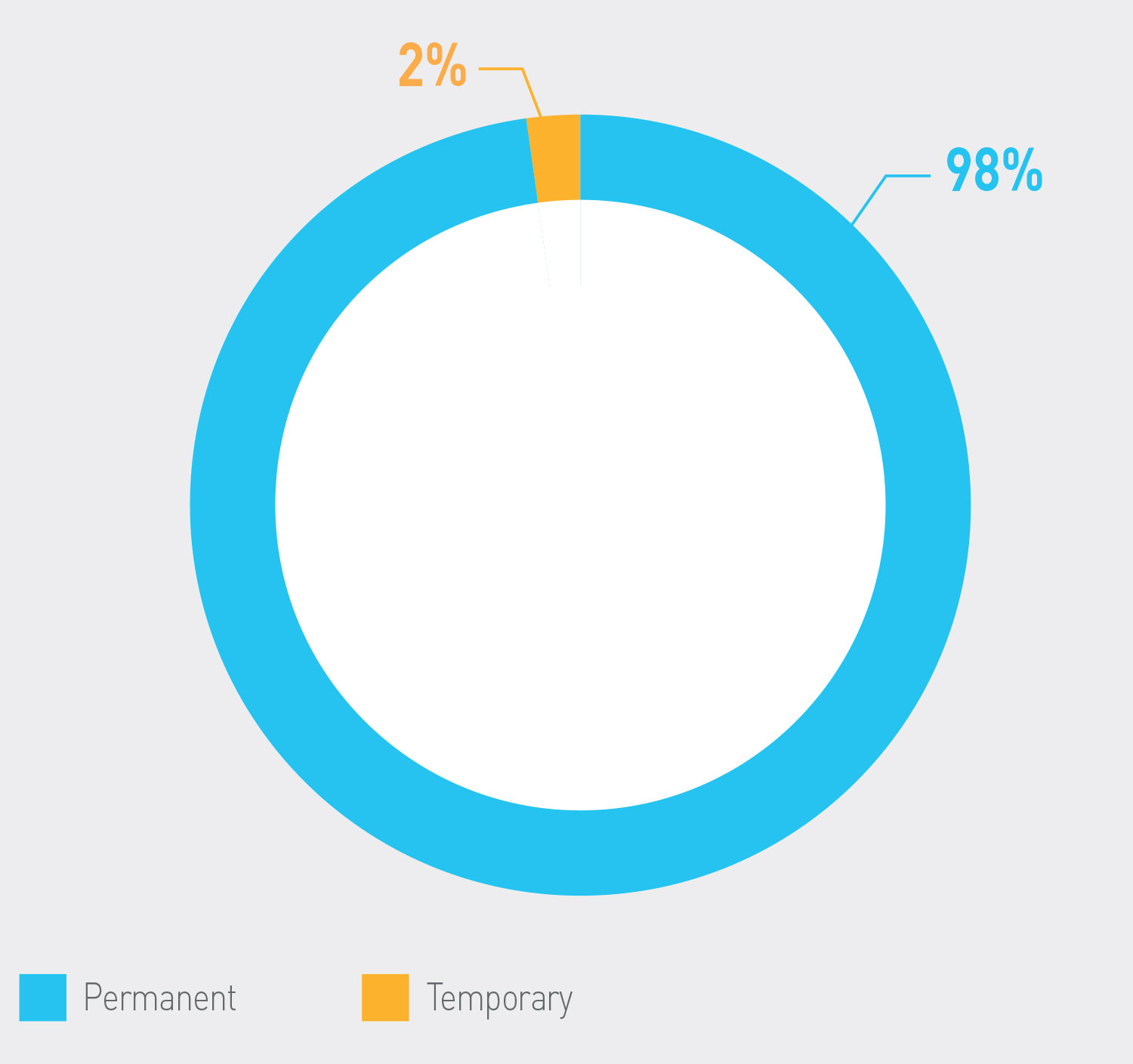
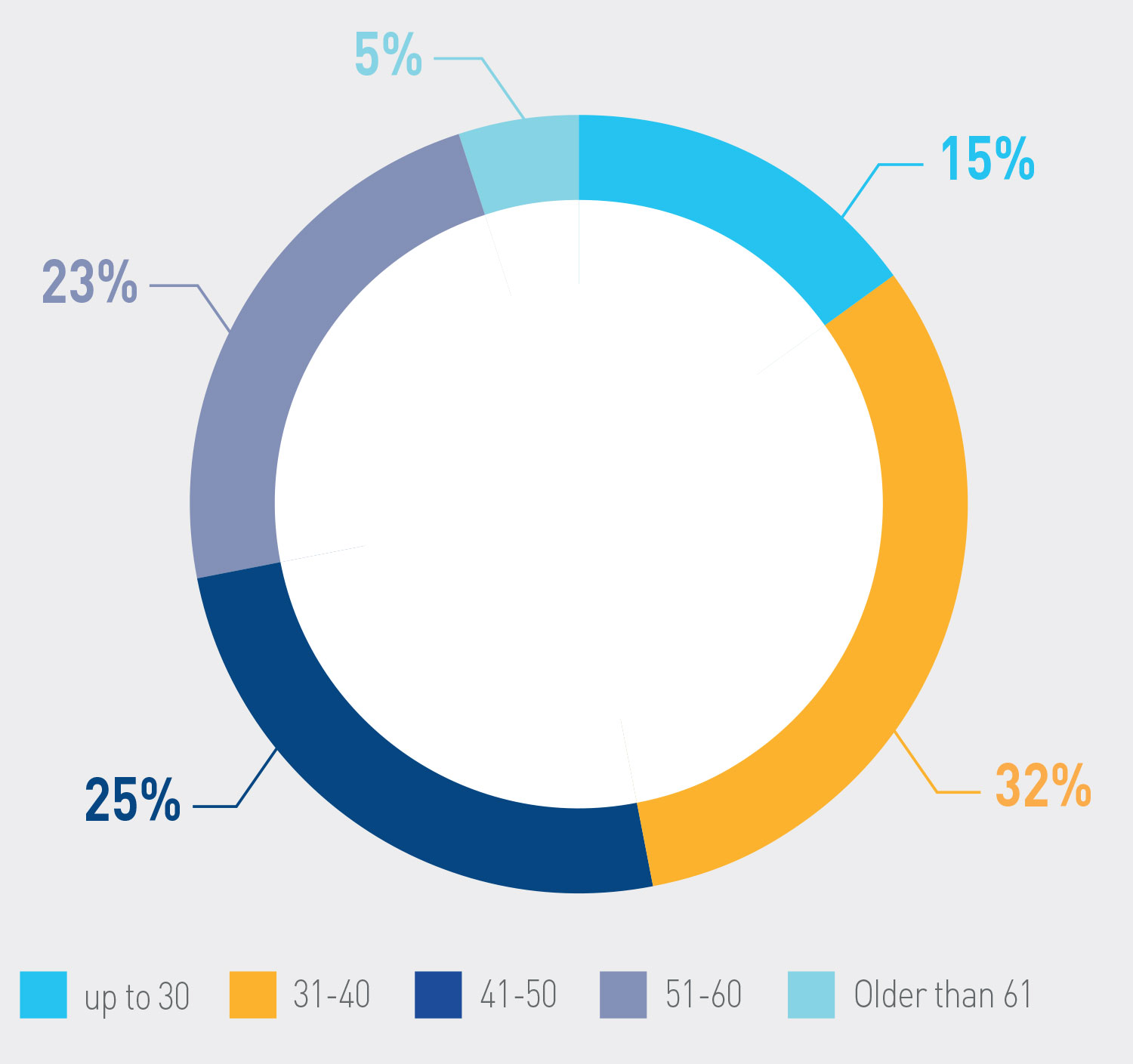
The Company’s headcount (including outsourcing) as of December 31, 2025, was 4,472, with 282 outsourced employees. The headcount has remained virtually constant over the past two years. Men predominate within the workforce, representing 77 %. Of the total number of employees, 46 % are specialists, and 72 % have a higher education. In terms of age breakdown, 57 % of employees are in the 31-40 and 41-50 age groups, with another 23 % being aged 51-60. The vast majority of employees – 98 % – are permanent.
Employee structure of KEGOC JSC
Employee structure by category, %
Employee structure by gender, %
Employee structure by type of employment, %
Employee structure by age, %
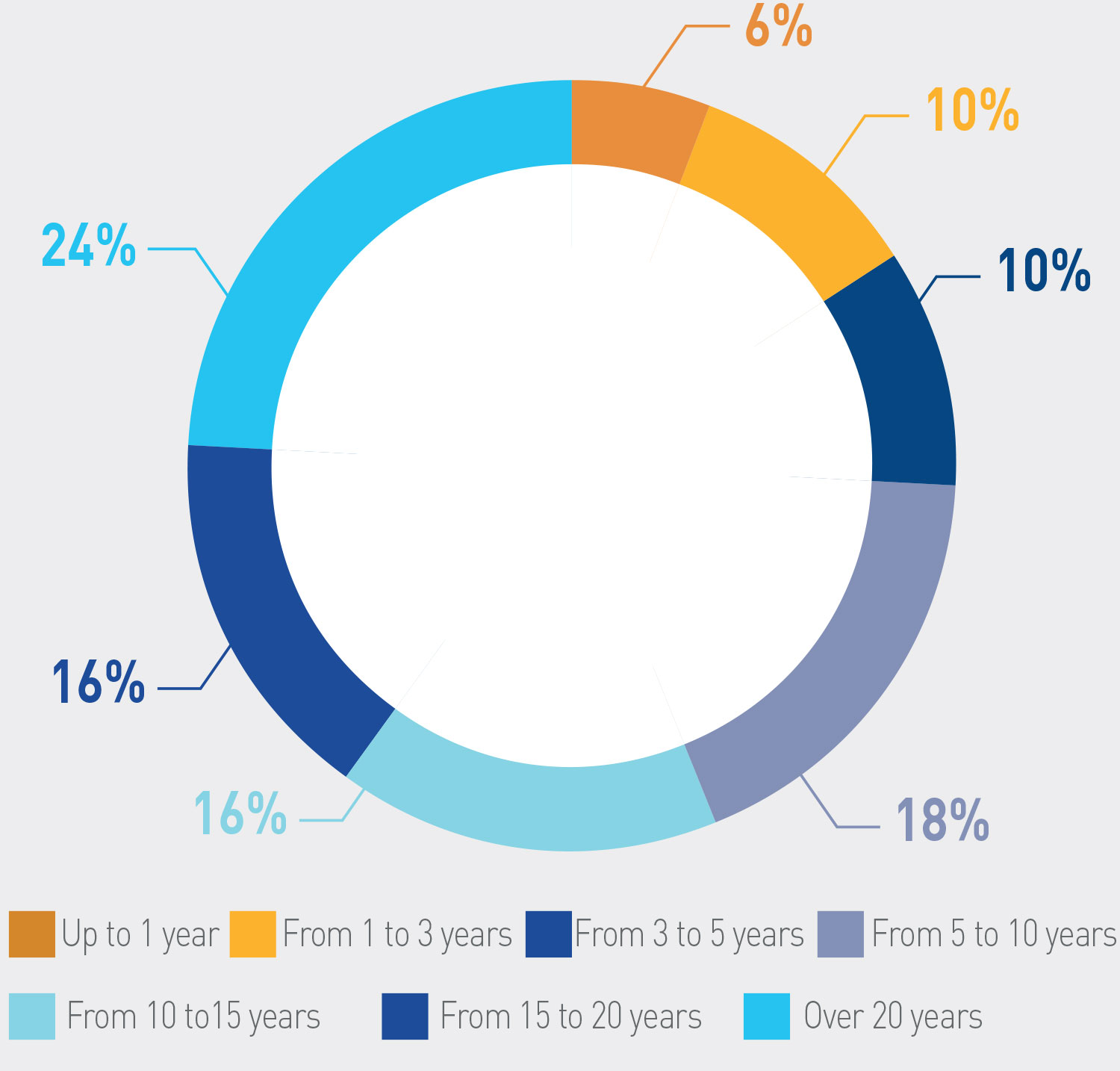
Employee structure by length of service, %
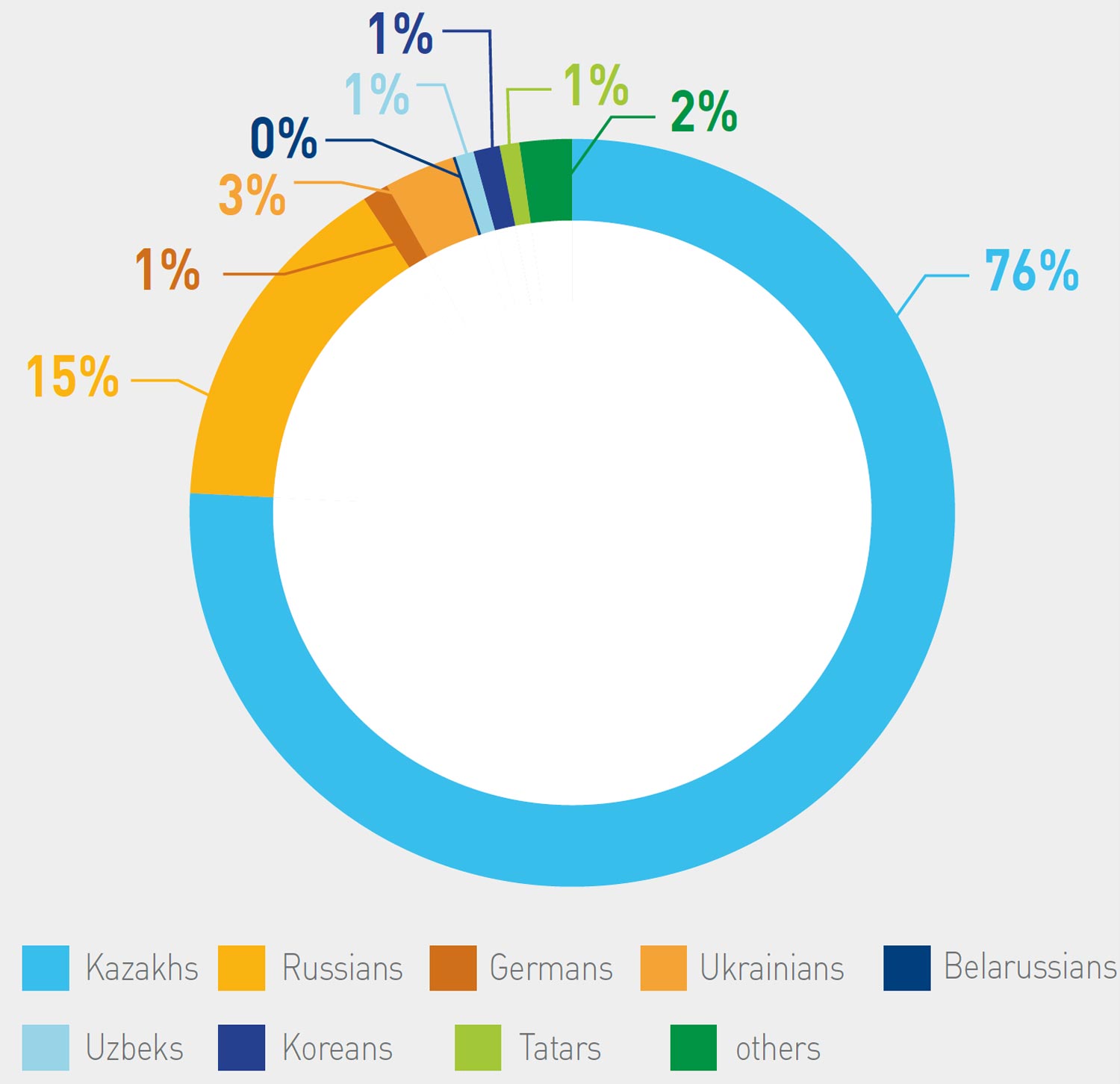
Employee structure by nationality, %
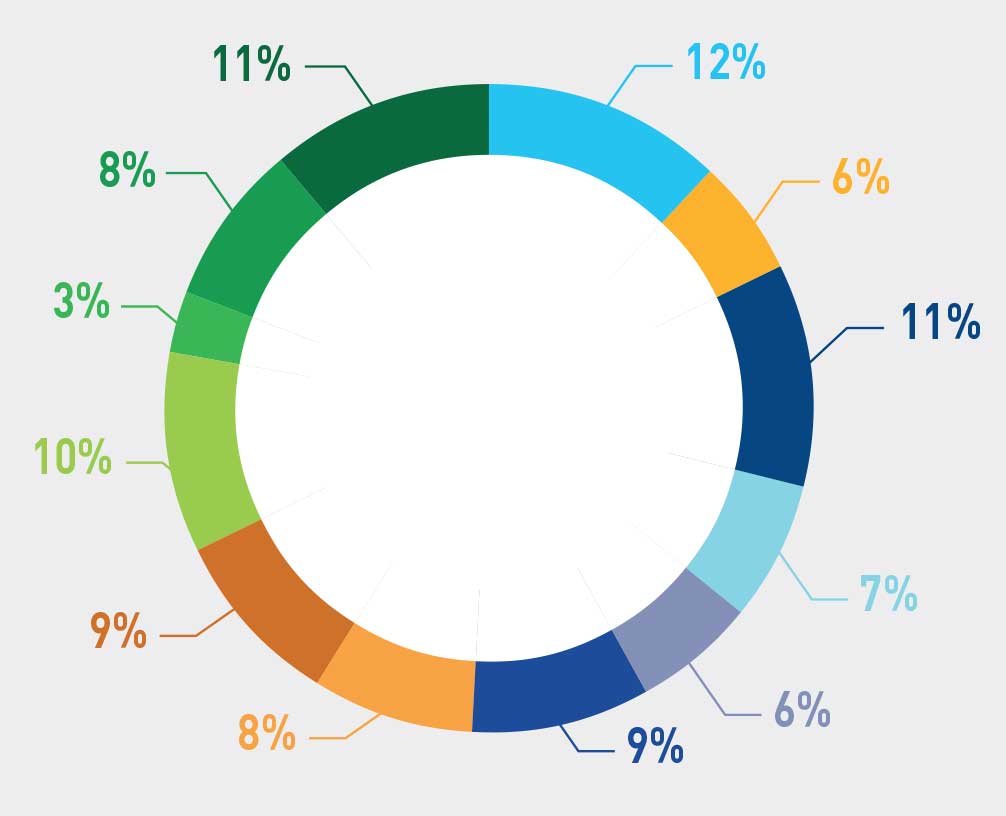
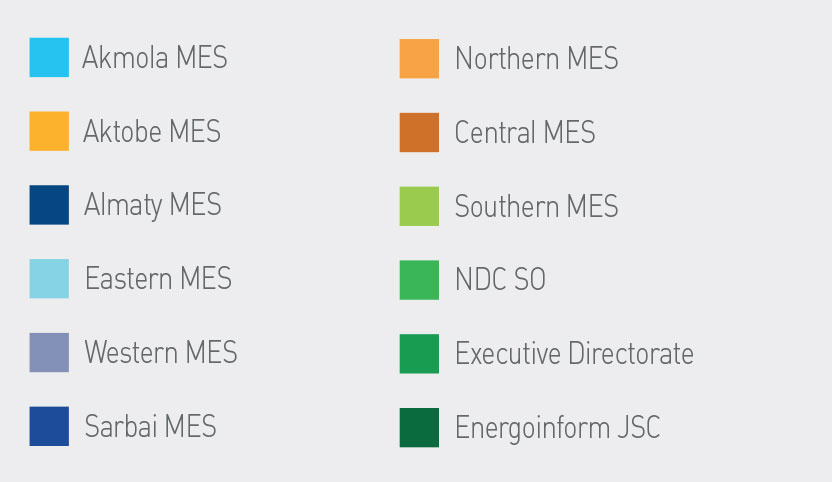
Employee structure by region, %
Employee structure by education, %
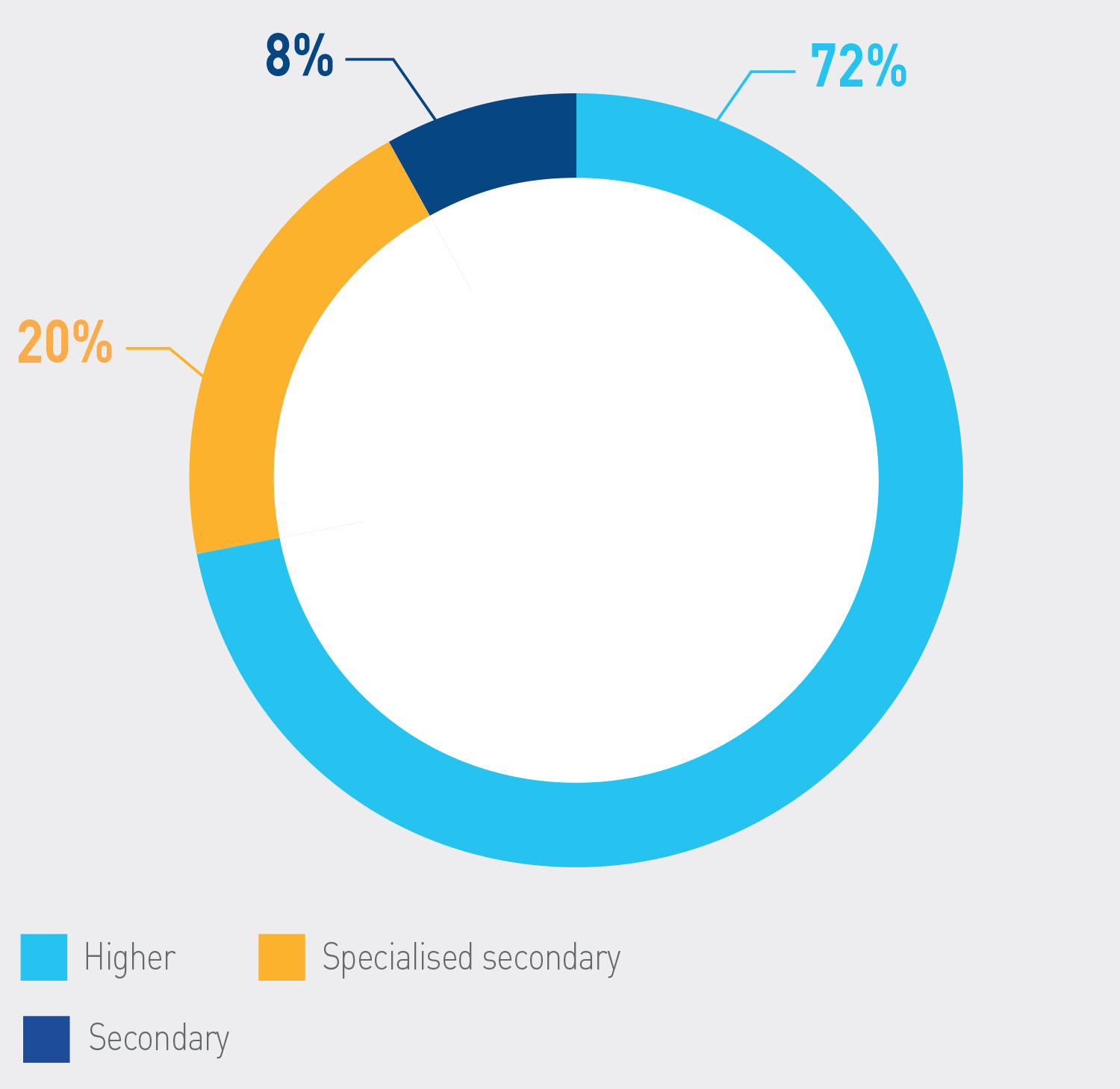
*the term “other” means: Azerbaijanis, Armenians, Kyrgyz, Turks, Uighurs and other nationalities.
Number of permanent and temporary employees of KEGOC JSC in 2025, people
GRI 2-7
| Subdivision | Temporary workers* | Permanent employees | Total | ||||
|---|---|---|---|---|---|---|---|
| Total | men | women | Total | men | women | ||
| Akmola MES | 559 | 468 | 91 | 0 | 0 | 0 | 559 |
| Aktobe MES | 269 | 219 | 50 | 5 | 1 | 4 | 274 |
| Almaty MES | 459 | 390 | 69 | 16 | 9 | 7 | 475 |
| Eastern MES | 291 | 240 | 51 | 3 | 1 | 2 | 294 |
| Western MES | 259 | 210 | 49 | 3 | 0 | 3 | 262 |
| Sarbai MES | 420 | 340 | 80 | 0 | 0 | 0 | 420 |
| Northern MES | 375 | 281 | 94 | 6 | 0 | 6 | 381 |
| Central MES | 411 | 340 | 71 | 8 | 4 | 4 | 419 |
| Southern MES | 429 | 365 | 64 | 6 | 2 | 4 | 435 |
| NDC SO | 112 | 71 | 41 | 2 | 1 | 1 | 114 |
| Executive Directorate | 345 | 179 | 166 | 22 | 14 | 8 | 367 |
| Energoinform JSC | 469 | 314 | 155 | 3 | 1 | 2 | 472 |
| Total | 4,398 | 3,417 | 981 | 74 | 33 | 41 | 4,472 |
*temporary workers are employees hired by the Company for temporarily vacant positions (except for internal transfers)
Number of employees of KEGOC JSC by job categories in 2025, people
| Subdivision | Total number of employees | Including | ||
|---|---|---|---|---|
| Managers | Specialists | Workers | ||
| Akmola MES | 559 | 70 | 201 | 288 |
| Aktobe MES | 274 | 46 | 105 | 123 |
| Almaty MES | 475 | 64 | 197 | 214 |
| Eastern MES | 294 | 44 | 127 | 123 |
| Western MES | 262 | 44 | 92 | 126 |
| Sarbai MES | 420 | 56 | 158 | 206 |
| Northern MES | 381 | 52 | 139 | 190 |
| Central MES | 419 | 58 | 161 | 200 |
| Southern MES | 435 | 61 | 164 | 210 |
| NDC SO | 114 | 26 | 88 | 0 |
| Executive Directorate | 367 | 83 | 284 | 0 |
| Energoinform JSC | 472 | 87 | 359 | 26 |
| Total | 4,472 | 691 | 2,075 | 1,706 |
Number of employees of KEGOC JSC by gender in 2025, people
| Subdivision | Structure of employees by gender | ||
|---|---|---|---|
| men | women | Total | |
| Akmola MES | 468 | 91 | 559 |
| Aktobe MES | 220 | 54 | 274 |
| Almaty MES | 399 | 76 | 475 |
| Eastern MES | 241 | 53 | 294 |
| Western MES | 210 | 52 | 262 |
| Sarbai MES | 340 | 80 | 420 |
| Northern MES | 281 | 100 | 381 |
| Central MES | 344 | 75 | 419 |
| Southern MES | 367 | 68 | 435 |
| NDC SO | 72 | 42 | 114 |
| Executive Directorate | 193 | 174 | 367 |
| Energoinform JSC | 315 | 157 | 472 |
| Total | 3,450 | 1,022 | 4,472 |
Number of employees of KEGOC JSC by age structure in 2025, people
| Subdivision | Total | Including (years) | |||||||||
|---|---|---|---|---|---|---|---|---|---|---|---|
| up to 30 | 31-40 | 41-50 | 51-60 | Over 61 years old | |||||||
| person | % | person | % | person | % | person | % | person | % | ||
| Akmola MES | 559 | 82 | 15 | 154 | 28 | 153 | 27 | 148 | 26 | 22 | 4 |
| Aktobe MES | 274 | 38 | 14 | 132 | 48 | 40 | 15 | 52 | 19 | 12 | 4 |
| Almaty MES | 475 | 87 | 18 | 166 | 35 | 112 | 24 | 94 | 20 | 16 | 3 |
| Eastern MES | 294 | 47 | 16 | 109 | 37 | 56 | 19 | 74 | 25 | 8 | 3 |
| Western MES | 262 | 61 | 23 | 88 | 34 | 60 | 23 | 34 | 13 | 19 | 7 |
| Sarbai MES | 420 | 51 | 12 | 107 | 25 | 117 | 28 | 117 | 28 | 28 | 7 |
| Northern MES | 381 | 57 | 15 | 117 | 31 | 78 | 20 | 108 | 28 | 21 | 6 |
| Central MES | 419 | 58 | 14 | 114 | 27 | 110 | 26 | 116 | 28 | 21 | 5 |
| Southern MES | 435 | 66 | 15 | 113 | 26 | 109 | 25 | 121 | 28 | 26 | 6 |
| NDC SO | 114 | 24 | 21 | 34 | 30 | 37 | 32 | 18 | 16 | 1 | 1 |
| Executive Directorate | 367 | 23 | 6 | 130 | 35 | 130 | 35 | 69 | 19 | 15 | 4 |
| Energoinform JSC | 472 | 62 | 13 | 172 | 36 | 110 | 23 | 102 | 22 | 26 | 6 |
| Total | 4,472 | 656 | 14 | 1,436 | 32 | 1,112 | 25 | 1,053 | 24 | 215 | 5 |
Number of employees of KEGOC JSC by length of service in 2025, people
| Subdivision | Total number of employees | Including | |||||||||||||
|---|---|---|---|---|---|---|---|---|---|---|---|---|---|---|---|
| Up to 1 year | % | From 1 to 3 years | % | From 3 to 5 years | % | From 5 to 10 years | % | From 10 to 15 years old | % | From 15 to 20 years old | % | Over 20 years | % | ||
| Akmola MES | 559 | 32 | 5.7 | 48 | 8.6 | 63 | 11.3 | 111 | 19.9 | 98 | 17.5 | 92 | 16.5 | 115 | 20.6 |
| Aktobe MES | 274 | 20 | 7.3 | 25 | 9.1 | 30 | 10.9 | 39 | 14.2 | 49 | 17.9 | 46 | 16.8 | 65 | 23.7 |
| Almaty MES | 475 | 26 | 5.5 | 38 | 8.0 | 42 | 8.8 | 98 | 20.6 | 84 | 17.7 | 79 | 16.6 | 108 | 22.7 |
| Eastern MES | 294 | 16 | 5.4 | 15 | 5.1 | 18 | 6.1 | 62 | 21.1 | 59 | 20.1 | 46 | 15.6 | 78 | 26.5 |
| Western MES | 262 | 8 | 3.1 | 22 | 8.4 | 33 | 12.6 | 59 | 22.5 | 36 | 13.7 | 50 | 19.1 | 54 | 20.6 |
| Sarbai MES | 420 | 17 | 4.0 | 42 | 10.0 | 47 | 11.2 | 73 | 17.4 | 58 | 13.8 | 61 | 14.5 | 122 | 29.0 |
| Northern MES | 381 | 28 | 7.3 | 55 | 14.4 | 32 | 8.4 | 62 | 16.3 | 56 | 14.7 | 53 | 13.9 | 95 | 24.9 |
| Central MES | 419 | 29 | 6.9 | 48 | 11.5 | 37 | 8.8 | 63 | 15.0 | 74 | 17.7 | 57 | 13.6 | 111 | 26.5 |
| Southern MES | 435 | 19 | 4.4 | 28 | 6.4 | 38 | 8.7 | 60 | 13.8 | 69 | 15.9 | 63 | 14.5 | 158 | 36.3 |
| NDC SO | 114 | 6 | 5.3 | 10 | 8.8 | 12 | 10.5 | 28 | 24.6 | 15 | 13.2 | 23 | 20.2 | 20 | 17.5 |
| Executive Directorate | 367 | 15 | 4.1 | 28 | 7.6 | 29 | 7.9 | 53 | 14.4 | 60 | 16.3 | 82 | 22.3 | 100 | 27.2 |
| Energoinform JSC | 472 | 59 | 12.5 | 66 | 14.0 | 47 | 10.0 | 105 | 22.2 | 65 | 13.8 | 61 | 12.9 | 69 | 14.6 |
| Total | 4,472 | 275 | 6.1 | 425 | 9.5 | 428 | 9.6 | 813 | 18.2 | 723 | 16.2 | 713 | 15.9 | 1,095 | 24.5 |
Structure of KEGOC JSC employees by nationality in 2025, people
| Subdivision | Total | Kazakhs | Russians | Germans | Ukrainians | Belarusians | Uzbeks | Koreans | Tatars | Other* | |||||||||
|---|---|---|---|---|---|---|---|---|---|---|---|---|---|---|---|---|---|---|---|
| Number of people | % | Number of people | % | Number of people | % | Number of people | % | Number of people | % | Number of people | % | Number of people | % | Number of people | % | Number of people | % | ||
| Akmola MES | 559 | 427 | 76.4 | 78 | 14.0 | 9 | 1.6 | 14 | 2.5 | 3 | 0.5 | 1 | 0.2 | 0 | 0.0 | 6 | 1.1 | 21 | 3.8 |
| Aktobe MES | 274 | 242 | 88.3 | 17 | 6.2 | 3 | 1.1 | 8 | 2.9 | 0 | 0.0 | 0 | 0.0 | 1 | 0.1 | 2 | 0.7 | 1 | 0.4 |
| Almaty MES | 475 | 432 | 90.9 | 33 | 6.9 | 1 | 0.2 | 0 | 0.0 | 0 | 0.0 | 0 | 0.0 | 1 | 0.2 | 0 | 0.0 | 8 | 1.7 |
| Eastern MES | 294 | 222 | 75.5 | 65 | 22.1 | 2 | 0.7 | 3 | 1.0 | 0 | 0.0 | 0 | 0.0 | 0 | 0.0 | 2 | 0.7 | 0 | 0.0 |
| Western MES | 262 | 246 | 93.9 | 12 | 4.6 | 0 | 0.0 | 1 | 0.4 | 0 | 0.0 | 0 | 0.0 | 0 | 0.0 | 2 | 0.8 | 1 | 0.4 |
| Sarbai MES | 420 | 219 | 52.1 | 146 | 34.8 | 10 | 2.4 | 31 | 7.4 | 2 | 0.5 | 0 | 0.0 | 2 | 0.5 | 5 | 1.2 | 5 | 1.2 |
| Northern MES | 381 | 274 | 71.9 | 74 | 19.4 | 5 | 1.3 | 10 | 2.6 | 2 | 0.5 | 0 | 0.0 | 0 | 0.0 | 8 | 2.1 | 8 | 2.1 |
| Central MES | 419 | 285 | 68.0 | 75 | 17.9 | 13 | 3.1 | 14 | 3.3 | 5 | 1.2 | 0 | 0.0 | 6 | 1.4 | 9 | 2.1 | 12 | 2.9 |
| Southern MES | 435 | 327 | 75.2 | 56 | 12.9 | 0 | 0.0 | 7 | 1.6 | 0 | 0.0 | 29 | 6.7 | 11 | 2.5 | 4 | 0.9 | 1 | 0.2 |
| NDC SO | 114 | 83 | 72.8 | 19 | 16.7 | 1 | 0.9 | 5 | 4.4 | 2 | 1.8 | 1 | 0.9 | 0 | 0.0 | 2 | 1.8 | 1 | 0.9 |
| Executive Directorate | 367 | 333 | 90.7 | 18 | 4.9 | 2 | 0.5 | 3 | 0.8 | 0 | 0.0 | 0 | 0.0 | 3 | 0.8 | 7 | 1.9 | 1 | 0.3 |
| Energoinform JSC | 472 | 323 | 68.4 | 97 | 20.6 | 13 | 2.8 | 14 | 3.0 | 2 | 0.4 | 8 | 1.7 | 1 | 0.2 | 8 | 1.7 | 6 | 1.3 |
| Total | 4,472 | 3,413 | 76.3 | 690 | 15.4 | 59 | 1.3 | 110 | 2.5 | 16 | 0.4 | 39 | 0.9 | 25 | 0.6 | 55 | 1.2 | 65 | 1.5 |
*the term “other” means: Azerbaijanis, Armenians, Kyrgyz, Turks, Uighurs and other nationalities.
Structure of KEGOC JSC’s management personnel by nationality in 2025, people
| Nationality | Number of people | Share in all management positions, including junior, middle and senior management (%) |
|---|---|---|
| Kazakhs | 538 | 77.86 |
| Russians | 101 | 14.62 |
| Germans | 7 | 1.01 |
| Ukrainians | 18 | 2.60 |
| Belarusians | 1 | 0.14 |
| Uzbeks | 5 | 0.72 |
| Koreans | 5 | 0.72 |
| Tatars | 9 | 1.30 |
| Other | 7 | 1.01 |
| Total | 691 |
Number of employees of KEGOC JSC by education category in 2025, people
| Subdivision | Total | Including | |||||
|---|---|---|---|---|---|---|---|
| Higher education | Secondary specialized | Secondary education | |||||
| Akmola MES | 559 | 339 | 60.6 | 167 | 29.9 | 53 | 9.5 |
| Aktobe MES | 274 | 183 | 66.8 | 61 | 22.3 | 30 | 10.9 |
| Almaty MES | 475 | 324 | 68.2 | 105 | 22.1 | 46 | 9.7 |
| Eastern MES | 294 | 180 | 61.2 | 82 | 27.9 | 32 | 10.9 |
| Western MES | 262 | 186 | 71.0 | 60 | 22.9 | 16 | 6.1 |
| Sarbai MES | 420 | 280 | 66.7 | 70 | 16.7 | 70 | 16.7 |
| Northern MES | 381 | 234 | 61.4 | 88 | 23.1 | 59 | 15.5 |
| Central MES | 419 | 251 | 59.9 | 112 | 26.7 | 56 | 13.4 |
| Southern MES | 435 | 328 | 75.4 | 89 | 20.5 | 18 | 4.1 |
| NDC SO | 114 | 114 | 100.0 | 0 | 0.0 | 0 | 0.0 |
| Executive Directorate | 367 | 367 | 100.0 | 0 | 0.0 | 0 | 0.0 |
| Energoinform JSC | 472 | 421 | 89.2 | 51 | 10.8 | 0 | 0.0 |
| Total | 4,472 | 3,207 | 71.7 | 885 | 19.8 | 380 | 8.5 |
Employee structure of KEGOC JSC, people
GRI 405-1
| Indicator | Total | Share | AUP | PP | Managers | Share in management | |
|---|---|---|---|---|---|---|---|
| List of numbers | 4,472 | 100 % | 474 | 3,998 | 691 | 100 % | |
| Gender | men | 3,450 | 77.1 % | 142 | 3,308 | 609 | 88.1 % |
| women | 1,022 | 22.9 % | 332 | 690 | 82 | 11.9 % | |
| Groups based on nationality | Kazakhs | 3,413 | 76.3 % | 405 | 3,008 | 538 | 77.9 % |
| Russians | 690 | 15.4 % | 42 | 648 | 101 | 14.6 % | |
| Ukrainians | 110 | 2.5 % | 5 | 105 | 18 | 2.6 % | |
| Tatars | 55 | 1.2 % | 5 | 50 | 9 | 1.3 % | |
| Germans | 59 | 1.3 % | 5 | 54 | 7 | 1.0 % | |
| Other | 145 | 3.2 % | 12 | 133 | 18 | 2.6 % | |
| Age groups | Up to 30 years old | 656 | 14.7 % | 21 | 635 | 39 | 5.6 % |
| From 30 to 50 years old | 2,548 | 57.0 % | 326 | 2,222 | 452 | 65.4 % | |
| Over 50 years old | 1,268 | 28.4 % | 127 | 1,141 | 200 | 28.9 % | |
Gender ratio of employees by job category for 2025
| Name of job categories | Total number, people | men | women | men, % | women, % |
|---|---|---|---|---|---|
| Managers at all levels | 691 | 609 | 82 | 88.1 % | 11.9% |
| Junior executives (CEO-3) | 649 | 578 | 71 | 89.1 % | 10.9 % |
| Middle-level managers (CEO-2) | 42 | 31 | 11 | 73.8 % | 26.2 % |
| Senior executives | 11 | 9 | 2 | 81.8 % | 18.2 % |
| Managers of the "production personnel" category | 588 | 557 | 31 | 94.7 % | 5.3 % |
| Managers of the "administrative staff" category | 103 | 52 | 51 | 50.5 % | 49.5 % |
| STEM workers | 2,030 | 1,539 | 491 | 75.8 % | 24.2 % |
GRI 202-2
The total share of senior management (members of the Board of Directors and the Management Board of KEGOC JSC) hired from the local population (citizens of the Republic of Kazakhstan) as of December 31, 2025 is 100 %.
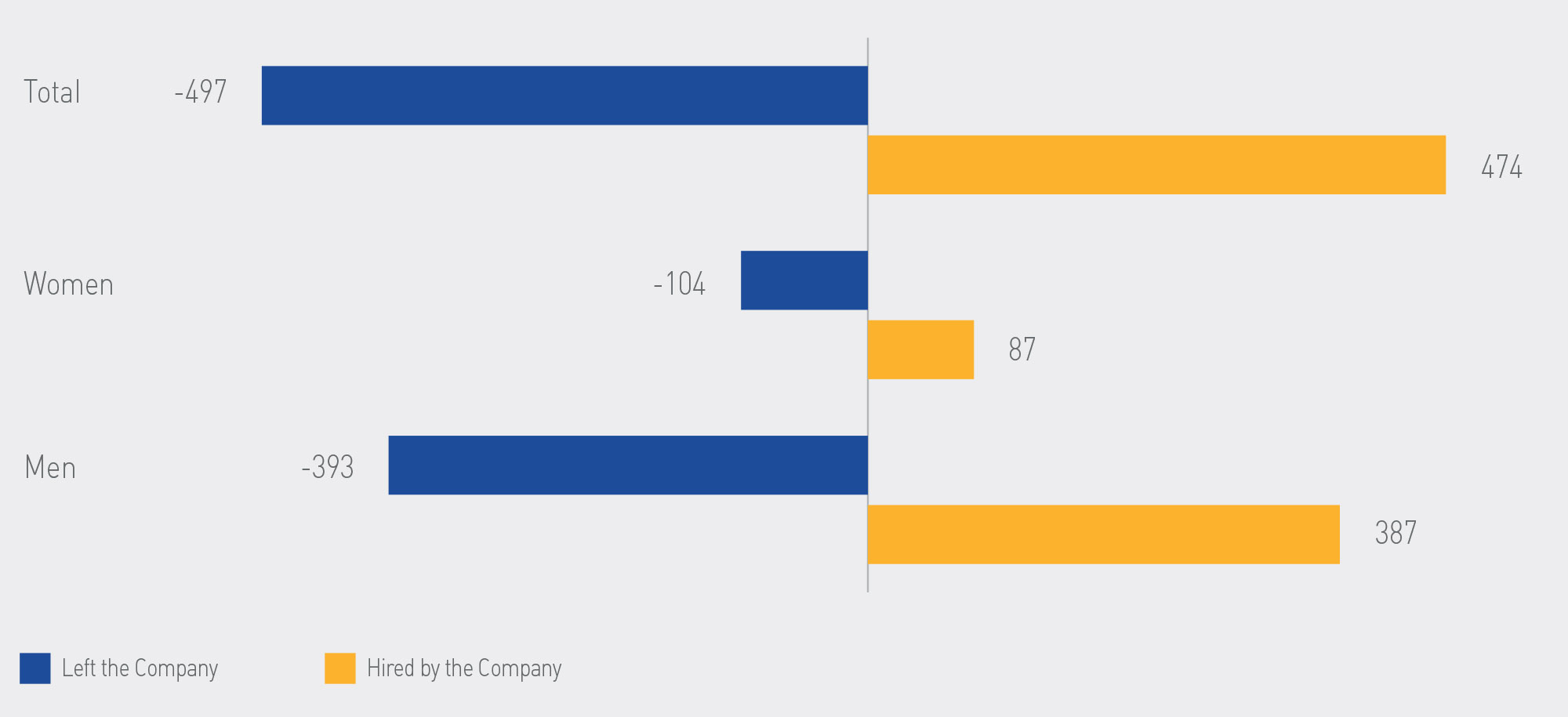
Dynamics of KEGOC JSC personnel in 2025
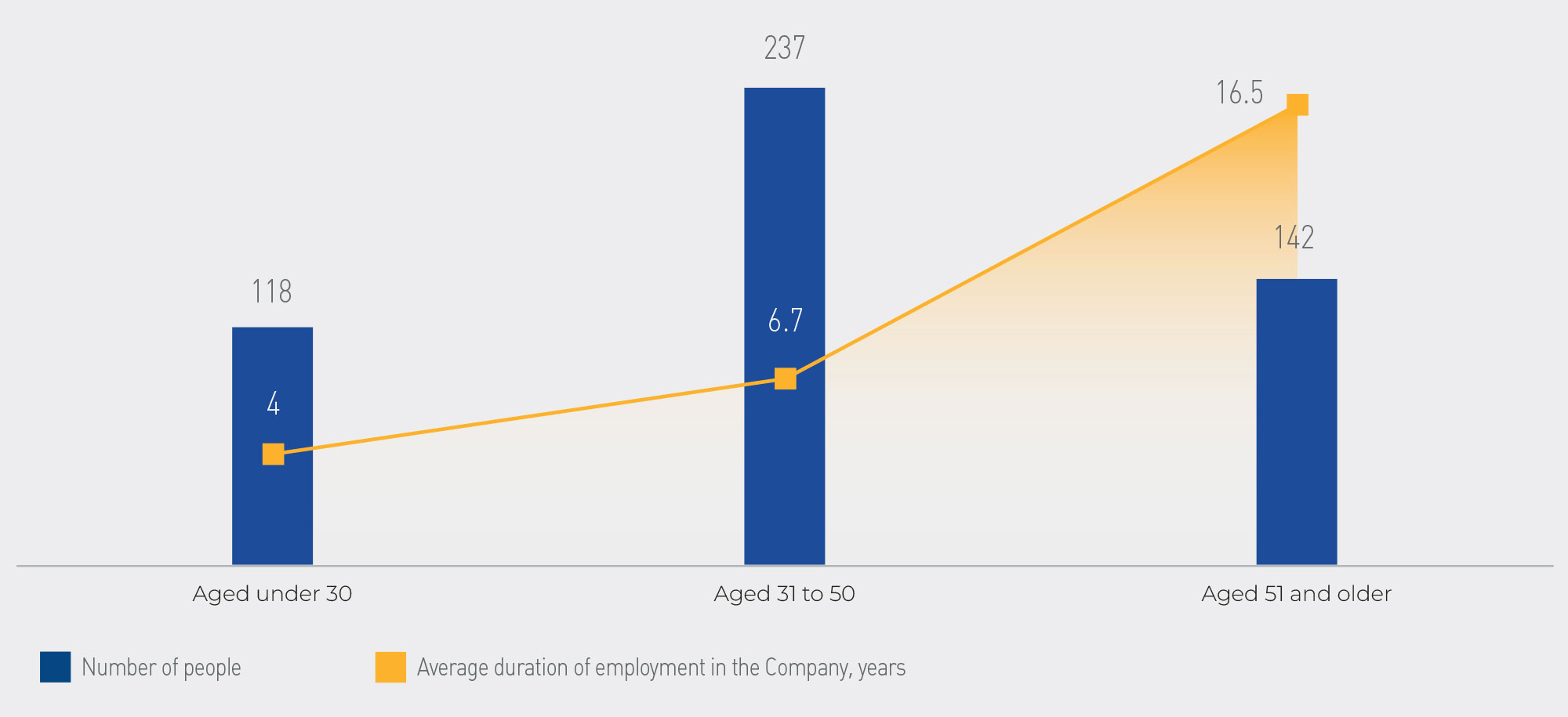
Duration of employment at KEGOC JSC of employees who left the Company in 2025
EU14
Employee turnover at KEGOC JSC
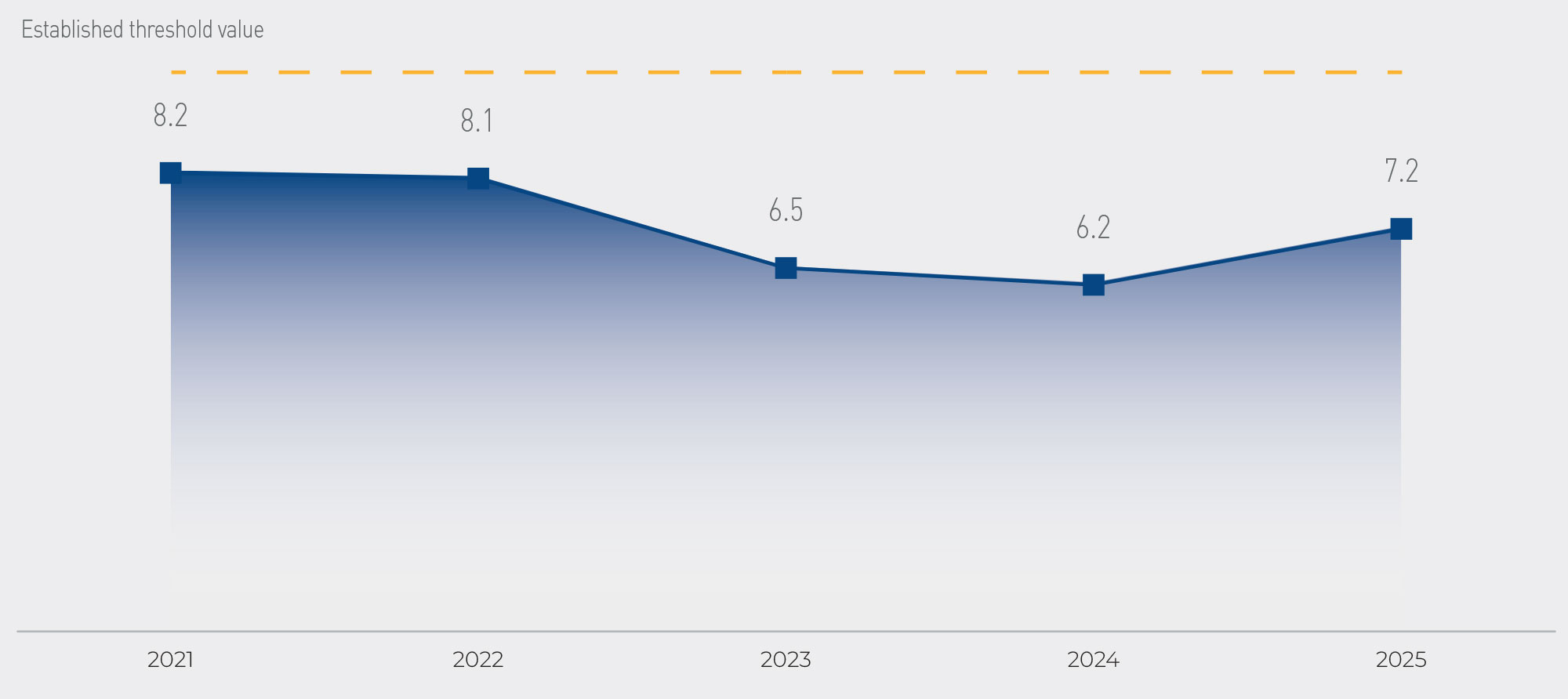
* The turnover rate is calculated using the Samruk-Kazyna JSC methodology, which only takes into account the number of employees who resigned voluntarily. The turnover calculation does not include employees who were dismissed within the Samruk-Kazyna JSC Group of Companies due to circumstances beyond the control of the parties, at the employer’s initiative, upon expiration of the employment contract, due to downsizing, termination of the employment contract, or termination of the employment contract due to the employee’s transfer to an elective job (position), or appointment to a new position.
EU14
The total employee turnover rate at KEGOC JSC in 2025 amounted to 7.21 %, against the established threshold of “not exceeding 10 %”. At the same time, employee turnover among men amounted to 7.86 %, while among women it was 5.08 %. The average length of service of men who left the Company in 2025 was 13.8 years (357 employees), while for women it was 13.6 years (89 employees).
Share of KEGOC JSC employees eligible to retire
GRI EU15
| Indicator | Total | AUP | PP |
|---|---|---|---|
| May retire between 2026 and 2030 (within the next 5 years) | 10.50 | 0.60 | 9.86 |
| May retire between 2026 and 2035 (within the next 10 years) | 21.50 | 1.59 | 19.88 |
| Subdivision | Total, people | Number of workers who may retire between 2026 and 2030. | Number of workers who may retire between 2026 and 2035. | % of workers who are eligible for retirement | |||||
|---|---|---|---|---|---|---|---|---|---|
| Total | Including | Total | Including | during the period | during the period | ||||
| AUP | PP | AUP | PP | 2026–2030 | 2026–2035 | ||||
| Akmola MES | 559 | 69 | 2 | 67 | 137 | 4 | 133 | 12.3 | 24.5 |
| Aktobe MES | 274 | 29 | 1 | 28 | 72 | 5 | 67 | 10.6 | 26.3 |
| Almaty MES | 475 | 40 | 1 | 39 | 92 | 1 | 91 | 8.4 | 19.4 |
| Eastern MES | 294 | 33 | 2 | 31 | 63 | 4 | 59 | 11.2 | 21,4 |
| Western MES | 262 | 28 | 0 | 28 | 42 | 2 | 40 | 10.7 | 16.0 |
| Sarbai MES | 420 | 67 | 3 | 64 | 120 | 5 | 115 | 16.0 | 28.6 |
| Northern MES | 381 | 55 | 1 | 54 | 115 | 4 | 111 | 14.4 | 30.2 |
| Central MES | 419 | 57 | 1 | 56 | 112 | 4 | 108 | 13.6 | 26.7 |
| Southern MES | 435 | 51 | 1 | 49 | 119 | 4 | 115 | 11.5 | 27.4 |
| NDC SO | 114 | 8 | – | 8 | 17 | – | 17 | 7.0 | 14.9 |
| Executive Directorate | 367 | 28 | 14 | 14 | 66 | 38 | 29 | 7.9 | 18.0 |
| Energoinform JSC | 472 | 3 | 0 | 3 | 5 | 1 | 4 | 0.6 | 91.1 |
| Total | 4,472 | 468 | 27 | 441 | 960 | 71 | 889 | 10.5 | 21.5 |
Search and selection of personnel
To attract appropriately qualified employees, increase their engagement, and ensure competitiveness in the labor market, the Company develops an employer proposal consisting of the following elements:
- unique experience: every employee has the opportunity to gain professional experience and contribute to the Company’s development, thereby increasing their market value;
- social significance: each employee makes a personal contribution to the development of the Company;
- competitive working conditions: remuneration based on market benchmarks, opportunities for training and development, social benefits;
- corporate values: The Company’s activities are based on values in an effort to create a favorable environment for productive work and self-realization of employees.
The search and selection process is aimed at appointing the most suitable candidates who meet the required qualifications, professional, business, and personal qualities. Candidates are selected through a competitive selection process, adhering to the principles of meritocracy, transparency, and objectivity. Priority is given to internal candidates, all other conditions being equal.
Sources and methods for searching and selecting qualified specialists may include:
- talent pool;
- internal candidates (employees of the Company/subsidiaries);
- employees of the Samruk-Kazyna JSC group;
- electronic database of candidates, formed on the Unified Online Recruiting Platform “Samruk Qyzmet”;
- an electronic database of specialists, formed by collecting and analyzing resumes of candidates in various professional fields;
- an electronic database of graduates of programs for the development of young specialists/talent management, implemented under the auspices of Samruk-Kazyna JSC;
- posting an advertisement on a website, in industry communities, and social networks;
- use of business contacts, recommendations;
- attracting recruiting companies.
KEGOC JSC searches for and recruits personnel for vacant positions using the Samruk Qyzmet recruiting platform. During the review and preliminary selection of candidates based on resumes (screening), compliance with the qualifications of the vacant positions is monitored. During the reporting year, 238 vacancies were announced. Following competitive procedures conducted during the reporting period, 175 external candidates were hired, and 38 vacancies were filled by internal candidates. The percentage of vacancies filled by internal candidates was 15.97 %.
Indicators of search and selection of personnel for vacant positions at KEGOC JSC
| 2021 | 2022 | 2023 | 2024 | 2025 | |
|---|---|---|---|---|---|
| Total number of hired workers | 451 | 551 | 543 | 403 | 420 |
| Talent pool | 19 | 21 | 12 | 13 | 16 |
| Internal candidates | 17 | 34 | 61 | 33 | 38 |
| Involvement of recruiting companies, including the electronic database of recruiting candidates "Samruk Qyzmet" | 107 | 192 | 170 | 143 | 238 |
| including the use of interviewing and assessing the competencies of candidates for CEO-1 level positions | 3 | 4 | 1 | 2 | 0 |
| Vacancies filled by internal candidates, % | 15.9 | 17.7 | 35.9 | 23.1 | 15.97 |
| Interviewing costs per person, million KZT | 0.65 | 0.42 | 0.43 | 0.50 | 0 |
| Electronic database of graduates of programs for the development of young specialists/talent management | 0 | 3 | 0 | 0 | 0 |
| An electronic database of specialists, formed by collecting and analyzing resumes of candidates in various professional fields | 308 | 301 | 247 | 221 | 245 |
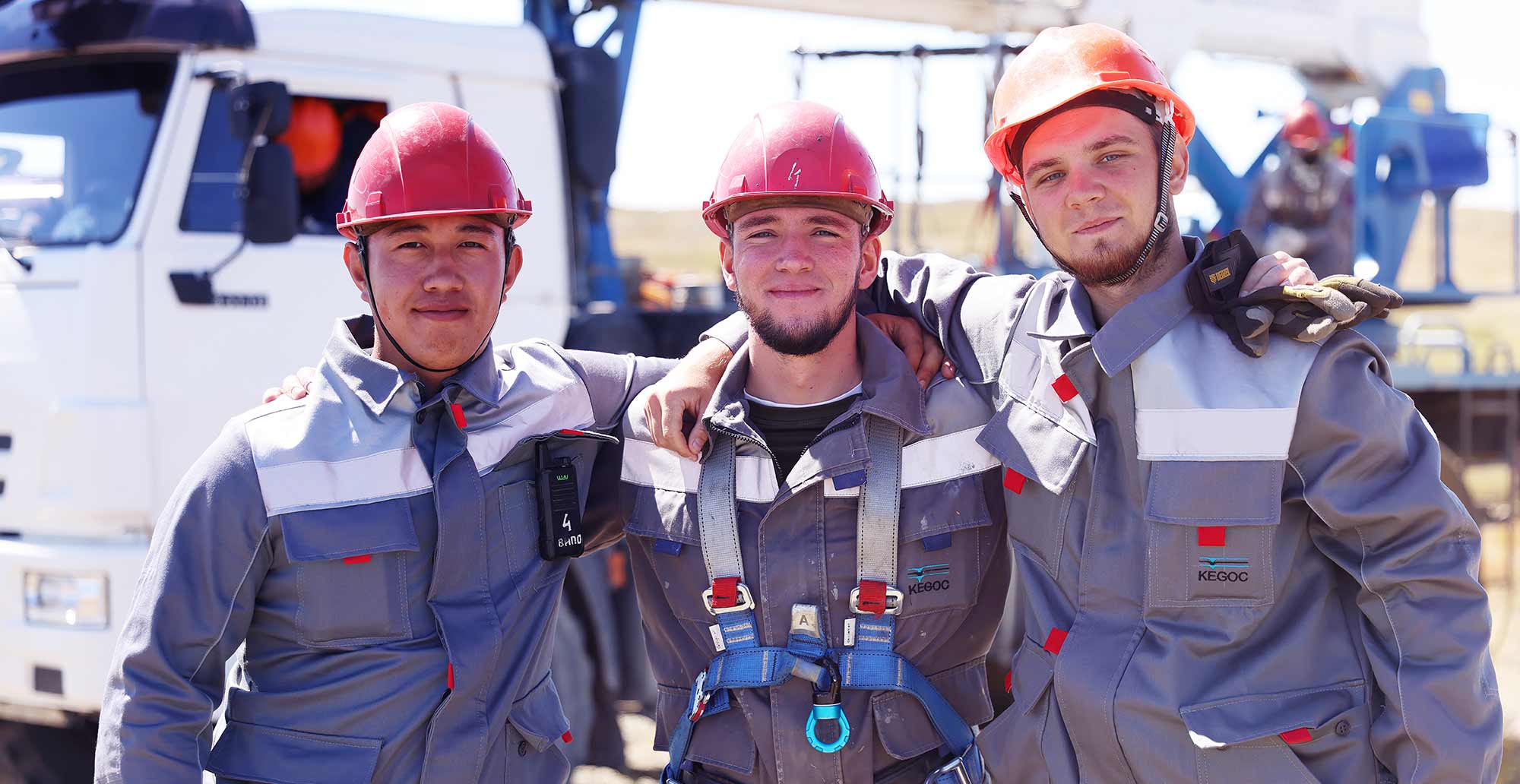
Motivation system
The Company’s employees are remunerated in accordance with the legislation of the Republic of Kazakhstan, the Collective Agreement, employment contracts, and internal documents on remuneration and bonuses.
The remuneration and motivation system includes fixed and variable components, social payments, and non-material incentives.
Guided by the principles of transparency, openness, internal fairness, and external competitiveness, the Company is improving its employee recognition system, incentives for performance, and compensation system to balance the interests of the Company and its employees. The following approaches are used to implement this approach:
- regular analysis of wage levels and their trends in the labor market across industries and regions;
- maintaining the level of wages in accordance with the goals and financial and economic capabilities of the Company;
- open and transparent communications to explain the remuneration system to employees, taking into account the current situation in the Company and in the labor market as a whole;
- Maintaining a differentiated approach to determining employee salaries. A differentiated approach to the remuneration system based on the contribution of each division and employee to the Company’s performance;
- reducing the wage gap between administrative and managerial personnel and production personnel, increasing wages for low-paid workers.
The Company employs a grading system based on the Hay Group methodology for administrative and management personnel and engineering and technical staff. This system allowed for the development of a job tier structure based on qualifications, length of service, and level of responsibility, taking into account salary overviews and the Company’s financial and economic capabilities.
The Company provides equal remuneration for men and women, as well as a uniform approach to determining wages for men and women at KEGOC JSC branches located throughout the country. To ensure gender equality, wage levels for men and women are regularly analyzed and monitored.
The salaries of KEGOC JSC employees exceeded the minimum wage established in the Republic of Kazakhstan.
The ratio of women’s remuneration to men’s remuneration in KEGOC JSC*
GRI 405-2
| men | women | |
|---|---|---|
| Management staff, people | 8 | 2 |
| Management personnel and heads of structural divisions, people | 576 | 74 |
| Specialists and workers, people | 2,783 | 830 |
| Ratio of average monthly wages of women and men | ||
| Management staff | 1.10 | |
| Management personnel and heads of structural divisions | 1.12 | |
| Specialists и Workers | 1.01 | |
| Ratio of average monthly total annual remuneration of women and men** | ||
| Management staff | 1.51 | |
| Management personnel and heads of structural divisions | 1.19 | |
| Specialists и Workers | 1.03 | |
* KEGOC JSC operates throughout the Republic of Kazakhstan (a significant region of operation), therefore the indicator is calculated at the national level.
** The average monthly total annual remuneration of one employee is determined by dividing the amount of the accrued wage fund by the actual number of employees and by the number of months in the reporting period. The wage fund includes:
- wages accrued according to tariff rates and official salaries;
- lump sum payments and bonuses;
- compensation payments related to the work schedule and working conditions;
- payment for time not worked.
The actual number of employees (accepted for calculating the average salary) is the number of employees on the payroll minus certain categories of employees assigned to work (persons on maternity leave, child care leave, and others).
Ratio of the standard entry-level salary of KEGOC JSC employees to the minimum wage established in the Republic of Kazakhstan for 2025
| Minimum wage in the Republic of Kazakhstan in 2025, KZT | Minimum wage at KEGOC JSC* in 2025, KZT | Deviation, % |
|---|---|---|
| 85,000* | 175,000** | 105.9 |
* the minimum wage established from January 1, 2025, in accordance with the Law of the Republic of Kazakhstan “On the Republican Budget for 2025–2027”.
** the minimum wage level refers to the official salary of a technician at a subsidiary of Energoinform JSC.
Average salary level at KEGOC JSC in 2025
| Average wages in industry of the Republic of Kazakhstan in 2024, KZT | Average salary level at KEGOC JSC* in 2025, KZT | Deviation, % |
|---|---|---|
| 634,737* | 1,812,400** | 27.99 |
* according to information from the Bureau of National Statistics of the Agency for Strategic Planning and Reforms of the Republic of Kazakhstan.
** average monthly salary of KEGOC JSC for 2025.
To strengthen the role of workers as a key driver of economic and social progress, the Head of State has declared 2025 the "Year of Working Professions." As part of this initiative, KEGOC JSC has developed and approved a plan that includes measures to support, develop, and reward blue-collar workers.
Based on the above and with the aim of increasing the prestige of blue-collar jobs and motivating staff, the following increases in wage rates were made from April 1, 2025:
- for operators of aerial platforms and hydraulic lifts, and truck cranes – by 20 %, due to their increased demand in the labor market;
- other workers – by 10 %.
The salaries of the Company’s employees have also been increased from April 1, 2025:
- employees of the Executive Directorate – based on the results of the performance assessment;
- engineering, technical and administrative personnel of branches – by 10 %;
- key employees of branches – by 15 %.
The Company’s long-term employee incentive framework includes a talent management system that provides employees who demonstrate high levels of qualifications and performance with career development opportunities, investments in employee training and development, and recognition and rewards for their work achievements.
In addition, as a long-term motivation measure, employees included in the successor pool for key positions are sent to long-term training in MBA and DBA programs.
To maintain social stability and motivate employees, additional bonuses of 200,000 KZT were paid to each employee for Republic Day and Independence Day of the Republic of Kazakhstan, after taxes and other mandatory deductions.
In order to provide non-material incentives to employees in honor of the Republic Day, Independence Day of the Republic of Kazakhstan and Energy Day, 444 employees were awarded state, industry awards and awards of KEGOC JSC.
In the reporting year, 49.0 million KZT were paid out in accordance with the implemented practice of rewarding employees with awards and for winning professional and sports competitions.
GRI 2-24
Social protection of workers
The Company’s activities in providing social support to employees are regulated by the following internal documents:
- Collective agreement;
- HR policy of KEGOC JSC;
- Rules for providing social support to employees;
- Rules on incentives and recognition of employees’ merits.
The above policies apply to all employees of the Company, including temporary and part-time employees.
In accordance with the specified documents, the following types of social support are provided to employees of KEGOC JSC:
- financial assistance;
- compensation payments;
- assistance in resolving housing issues.
In order to create favorable conditions for effective work and increase employee loyalty, KEGOC JSC provides social benefits that exceed the requirements established by the legislation of the Republic of Kazakhstan.
Requirements for payment of the minimum wage established by the legislation of the Republic of Kazakhstan, avoidance of excessive working hours exceeding 8 hours per day, ensuring equal pay for equal work, as well as payment of annual leave to employees apply to own employees, contractors and partners.
The Company provides financial assistance for health improvement when providing paid annual leave, for anniversaries, in connection with the birth of a child, and in connection with the death of an employee, family members of an employee, or a pensioner registered with KEGOC JSC. It also covers medical treatment for employees and disabled children, as well as individuals with disabilities from childhood, regardless of disability level or age. Employees of retirement age receive compensation upon retirement.
Employees of KEGOC JSC are provided with medical insurance (medical care) at the expense of the Company. The program also extends to employees’ family members, which helps improve social security for staff, improve their health, and build a resilient and motivated team.
To assist with housing issues, the Company provides employees with support through partial reimbursement of rental housing expenses. During the reporting year, this support was provided to 135 employees for a total of 207.6 million KZT.
The company provides paid social leave for marriage registration, the birth of a child, the funeral of a close relative, and anniversaries (50th and 60th). Women, single fathers, and guardians raising children aged 6 to 9 are entitled to receive one (1) day of leave on the day of the school’s last bell. Days off are also provided for preventive vaccinations and for parents of disabled children under 18, with pay retained. During the reporting year, 117 employees were granted social leave.
In accordance with the Collective Agreement, in addition, as compensation for harm caused to the life of an employee as a result of an accident related to work activities, the Company shall monthly pay the child (children) of the deceased employee 1 (one) minimum wage until he (they) reach 18 years of age from the date of the accident related to work activities.
Also, KEGOC JSC, in accordance with the Collective Agreement, provides additional social support to employees, maintaining the level of their average income during maternity leave, as well as during the adoption of a newborn child by compensating the difference between the average salary and the state social payment.
According to labor law, maternity leave is granted for 70 calendar days before delivery and 56 calendar days after delivery (a total of 18 weeks). In cases of complicated births or the birth of two or more children, postpartum leave is extended to 70 calendar days (a total of 20 weeks). In the case of adoption of a newborn child(ren), the leave is extended to 56 calendar days from the child’s birth date.
In addition, the Company provides unpaid leave to an employee to care for a child until the child reaches the age of three years:
- at the choice of the parents – the mother or the father of the child;
- a parent raising a child alone; another relative who is actually raising a child left without parental care, or a guardian;
- an employee who has adopted a newborn child (children).
An employee may use parental leave, either in full or in part, until their child reaches three years of age. Their job (position) is retained during the leave. If returning to work before the end of parental leave, and the child reaches three years of age, the employee must notify the employer of their intention to do so one month prior to the start of work. In 2025, this leave was granted to 33 Company employees (one man and 32 women). Thirty women returned from parental leave in 2025. In accordance with labor legislation, in 2025, two women with children under 1.5 years of age, or fathers raising children alone, were granted additional breaks for feeding their child(ren).
Thus, KEGOC JSC has established clear and transparent procedures for providing paid maternity leave, aimed at providing social protection to employees and supporting motherhood.
KEGOC JSC consistently develops a social policy aimed at ensuring safe, comfortable, and favorable working conditions. The company implements a range of measures to protect the health and well-being of its employees, taking into account modern sustainable development requirements and best international practices.
Stress management and psycho-emotional support programs
To improve the psycho-emotional health of its employees, the Company implements measures to prevent stress and burnout. Throughout 2025, employees had access to:
- training materials and information consultations on stress management;
- programs for the development of emotional resilience;
- activities aimed at increasing personal effectiveness and well-being.
These initiatives are implemented on an ongoing basis and are available to all categories of personnel.
In addition, during the reporting year, the practice of holding information sessions on various topics related to physical health, healthy eating, psychology, and useful knowledge in personal finance management was introduced.
As part of the Company’s Employee Social Wellbeing Program, weekly information sessions are held on physical health, healthy eating, psychology, and personal finance management. Employees also participated in the "Ayel Ozgeris Bastauly" training seminar.
Since July 2025, the Company has employed a psychologist. During the reporting period, psychological support was provided to employees, including group training sessions and individual consultations, as well as on-site visits to KEGOC JSC’s Almaty MES, Western MES, and Akmola MES branches to reduce emotional tension and stabilize the psychological well-being of the teams. Psychodiagnostic assessments of employees are conducted using SMIL methods and the Shmishek questionnaire.
A total of 31 group training events (309 participants), 235 individual consultations and psychodiagnostic testing of 268 employees were conducted.
These measures are aimed at creating more comfortable working conditions and increasing the overall level of employee satisfaction.
To strengthen internal communications, the "Online KEGOC JSC" community was created on WhatsApp, where news and messages on HR issues are regularly sent out, and groups for distributing online courses were also created.
In 2026, it is planned to continue implementing measures to improve the well-being of workers.
Development of a healthy lifestyle culture
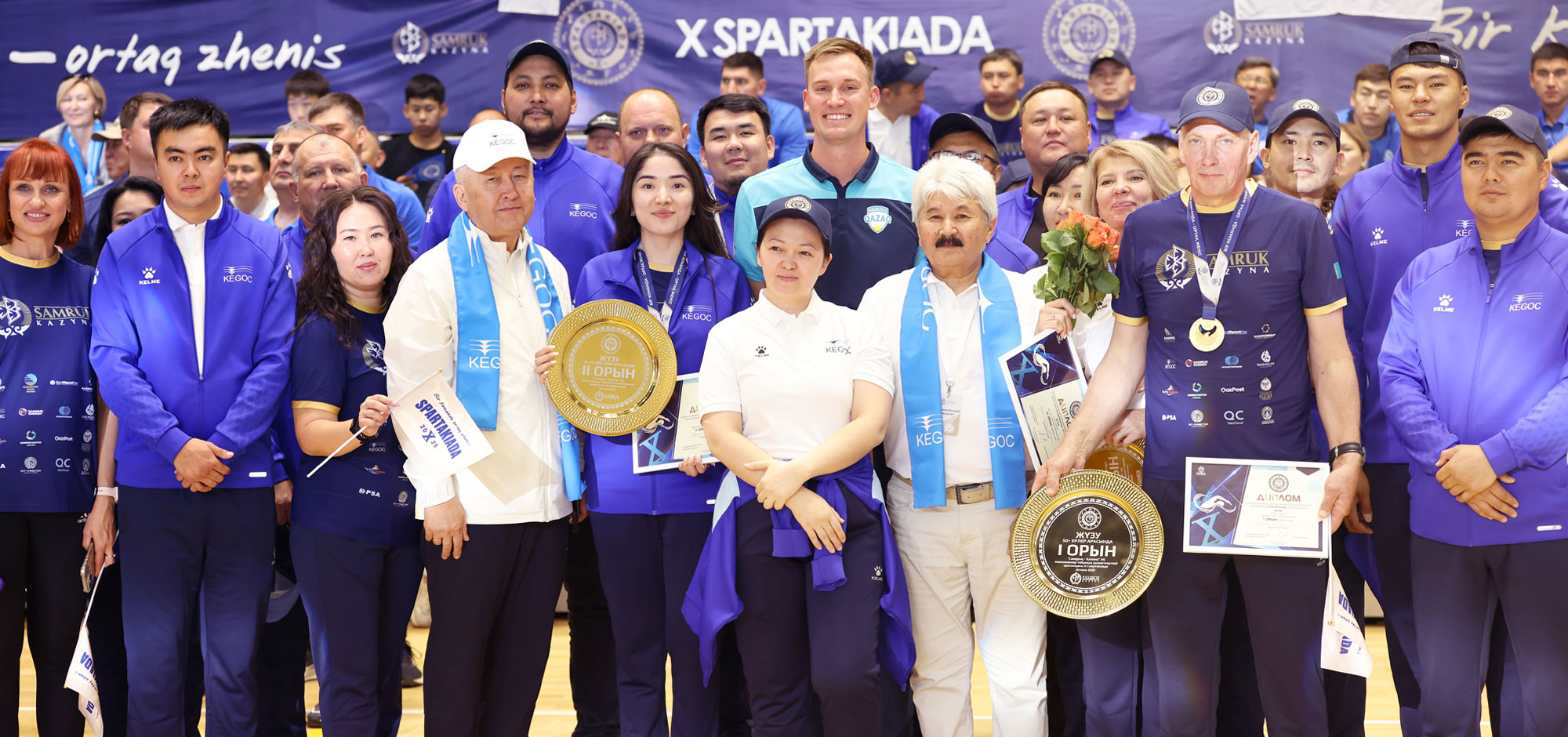
KEGOC JSC supports the development of a corporate culture focused on maintaining and improving employee health. In 2025, the Company:
- organized corporate sports events and competitions;
- provided opportunities for physical education and sports;
- conducted events aimed at developing healthy habits and promoting a balanced diet.
Support for workers with family responsibilities
KEGOC JSC provides support to employees who combine work with raising children and caring for family members.
- Parental leave for the second parent (non-primary caregiver)
KEGOC JSC provides paid leave for the second parent, which promotes equal sharing of family responsibilities and the participation of both parents in childcare.
The company provides unpaid leave to an employee to care for a child until the child reaches three years of age:
- at the choice of the parents – the mother or the father of the child;
- a parent raising a child alone;
- another relative who is actually raising a child left without parental care, or a guardian;
- an employee who has adopted a newborn child (children).
Unpaid leave to care for a child until the child reaches three years of age is granted on the basis of a written application from the employee indicating its duration and providing a birth certificate or other document confirming the fact of the child’s birth.
An employee may use parental leave to care for a child until the child reaches three years of age, in full or in parts.
During unpaid leave to care for a child until the child reaches three years of age, the employee’s job (position) is retained.
In the event of returning to work before the end of unpaid leave to care for a child until the child reaches the age of three, the employee is obliged to notify the employer of his or her intention one month before the start of work.
Working women with children under one and a half years of age, and fathers (adoptive parents) raising children under one and a half years of age without a mother, are granted additional breaks for feeding the child (children) no less than every three hours of work of the following duration:
- those with one child – each break is at least thirty minutes;
- those with two or more children – each break should be at least one hour.
Breaks for feeding a child (children) are added to the break for rest and eating, or the combined breaks are provided at the beginning or end of the working day (shift).
Breaks for feeding the child(ren) are included in working hours. During breaks, women, fathers, and adoptive parents receive the average salary.
- Support for workers providing care for family members
The company, upon written request of an employee caring for a sick family member in accordance with a medical report, establishes part-time working hours.
In accordance with the Collective Agreement, parents of disabled children under 18 (eighteen) years of age are granted one (1) paid day off per month, without deduction from their annual leave. If both parents are employees of KEGOC JSC, the day off is granted to one of them at their discretion.
Thus, in 2025, the amount of funds allocated for social support of the Company’s employees amounted to 1,077.2 million KZT.
In 2025, the total expenses for the Company’s employees, including wages, social support, training, etc., amounted to 50.0 billion KZT (in 2019 – 23.2 billion KZT, in 2020 – 25.2 billion KZT, in 2021 – 26.2 billion KZT, in 2022 – 31.8 billion KZT, in 2023 – 37.5 billion KZT, in 2024 – 43.6 billion KZT).
Monitoring working hours and managing overtime hours
In accordance with the labor legislation of the Republic of Kazakhstan, working hours at the Company do not exceed 40 hours per week. However, for employees with disabilities of groups I and II, working hours are reduced to 36 hours per week.
For employees engaged in continuous production, the working hours regime is established according to a shift schedule using summarized accounting of working hours.
In accordance with labor legislation, the Company has implemented a practice whereby the employer, in accordance with an order, may establish remote work or combined remote work, specifying the terms and other conditions.
It should be noted that a part-time work schedule is granted, upon written application, to pregnant women, parents (or adoptive parents) with children under the age of three, and employees caring for a sick family member based on a medical certificate.
At the same time, engaging employees to work on weekends and holidays, at night and to work overtime is permitted only in cases and under the conditions stipulated by labor legislation.
Employees are also guaranteed basic and additional paid annual leave, as well as social leave as provided for by law and the collective agreement.
Training and development
GRI 404-1, GRI 404-2, GRI 404-3
At KEGOC JSC, investments in employee training and development are aligned with the Company’s needs to achieve its strategic goals. Each employee is responsible for their own training and development based on the 70/20/10 principle and in accordance with their individual development plan.
The systematization of knowledge and the formation of high-quality human resources occur through self-development, training events, mentoring, coaching, implemented projects, and the formation of professional communities.
Based on the results of the needs collection and analysis, taking into account individual development plans, the KEGOC JSC Personnel Training Plan for 2026 and the KEGOC JSC Personnel Professional Competency Development Program were formed and approved.
Some of the key objectives for maintaining and enhancing the Company’s competitive advantage are:
- priority for training engineering and technical specialists and blue-collar workers;
- implementation of training programs for the development of competencies taking into account business needs, including the transition to a climate-resilient economy or other industrial changes;
- participation in modular training programs of Samruk-Kazyna JSC;
- development of a unified system of internal training, mentoring and coaching with the aim of developing internal expertise, etc.
The KEGOC JSC staff professional competency development program focuses on developing the following competencies in the following areas:
- electric power industry in the energy transition in the context of renewable energy sources;
- software;
- sustainable development taking into account the climate agenda;
- IT and telecommunications;
- international certification;
- legislation.
The implementation of these programs allows KEGOC JSC to:
- maintain the professional suitability of employees when changing technological and production processes;
- reduce social risks associated with the transformation of activities and external influences;
- ensure the continuity and safety of production activities in the face of long-term structural changes, including challenges associated with climate change.
Personnel training is conducted using a full range of modern learning methods: business workshops, seminars, training sessions, internships, advanced training, professional development and retraining programs, forums, and conferences. In 2025, work was carried out to centralize the administration of personnel training in the HR department.
During the reporting year, 4,169 employees were trained, representing 93.2 % of the total headcount. KEGOC JSC’s actual training expenditures for 2025 amounted to 380.1 million KZT. The average amount spent on training and development per employee is 91 thousand tenge.
According to the results of the analysis of the level of personnel education for 2025, 28% of employees have secondary or vocational education. To improve their skills and provide career development opportunities, the Company implemented a program for training in higher education institutions of the Republic of Kazakhstan for the first time this year, under which training costs are reimbursed by the employer. This year, eight employees, five of whom are blue-collar workers, have this opportunity.
Number of employees trained in 2025
| AUP | PP | |
|---|---|---|
| Men | 176 | 3,276 |
| Women | 253 | 464 |
| Total | 429 | 3,740 |
The average annual number of training hours per employee in 2025 was 26.39 hours. The total number of training hours was 110,033 hours.
Number of hours of training for KEGOC JSC personnel in 2025
| men | women | AUP | PP | |
|---|---|---|---|---|
| Total number of training hours | 87,189 | 22,845 | 19,061 | 90,972 |
| Average number of training hours per employee | 25.26 | 31.86 | 44.43 | 24.32 |
Cost of training personnel of KEGOC JSC in 2025, million KZT
| Training area | Amount |
|---|---|
| Electric power industry, dispatching, relay protection | 62.3 |
| Occupational health and safety, industrial safety and ecology | 47.8 |
| Finance, economics, accounting | 47.7 |
| Compulsory training | 55.8 |
| Capital construction | 3.4 |
| Others | 70.1 |
| Total (excluding travel expenses) | 287.16 |
In 2025, the Company implemented the following employee development programs, which also apply to part-time employees on the Company’s staff, and which have had a positive impact on the Company’s business:
| Name of the program | Program Description | Business Benefits |
|---|---|---|
| Soft skills development program |
A series of trainings on the topics:
|
|
| Program Zheti Qadam PRO |
|
|
| Program 7 Qadam Master |
|
|
| Program Qadam Hub |
|
|
| A program for the development of digital and managerial competencies in the field of artificial intelligence and the use of AI tools |
|
|
The impact of these initiatives is confirmed by a high employee engagement rate of 90 %, demonstrating employee motivation and commitment to the Company’s goals. Taken together, the programs have contributed to strengthening leadership potential, developing an innovative environment, and enhancing KEGOC JSC’s competitiveness in the context of digitalization.
As part of the "Year of Blue-Collar Jobs", KEGOC JSC also organized corporate training for blue-collar workers. Workers from across the country were invited to the event in Astana, where they participated in a series of educational seminars and workshops covering topics such as "Effective Communications," "Continuous Self-Development," and "Building an Effective Team." An information session on financial literacy, occupational health and safety, industrial safety, and environmental protection was also organized. The event provided an excellent platform for sharing experiences between employees from various regions and contributed to strengthening corporate culture and professional development.
To ensure the effective use of AI, the Company conducted corporate training for its employees on the following topics: "Basic ChatGPT Skills," "AI Fundamentals and Tools," "AI for Top Managers," "AI for Internal Trainers," "ChatGPT as Your Daily Assistant," "Artificial Intelligence and the Leadership of the Future: The Role of the Talent Pool in Digital Transformation," and "Application of Artificial Intelligence in HR Processes".
In 2025, the development of the internal training institute continued. In accordance with the approved schedule, 21 training sessions were conducted.
In 2025, 4 employees of the Aktobe MES and Western MES branches completed the General Mediation Course, and 3 employees of the publishing house completed Mediation and Negotiations for Corporate Ombudsmen (Basic).
Courses were conducted for professional configuration and operation of protection devices: “In-depth study of 7SA and 6MD devices”, “In-depth study of 7SS522 type relay protection and automation devices”, and to ensure reliable, safe and trouble-free operation of electric power facilities: “Installation and repair of electrical equipment of electric networks”, “Devices of relay protection and automation of substation equipment of voltage classes 110-220 kV”, “Modern methods of diagnostics of substation equipment”, “Repair and adjustment of switched electric grid equipment with voltage of 220 kV and higher”, “Maintenance of electrical equipment of power plants, networks and systems”, “Dispatching of electric power in energy enterprises of the Republic of Kazakhstan”, “Operation of high-voltage lines”, “Repair and maintenance of 35-500 kV gas-insulated circuit breakers”.
In 2025, branch managers responsible for occupational health and safety were trained in international standards of safe work practices using the courses "NEBOSH HSE", "ROSPA", and "New Changes to the Environmental Code of the Republic of Kazakhstan".
In addition, in order to increase human resources potential and improve priority and relevant areas of KEGOC JSC’s activities, CEO-2 level managers completed training under the MBA program in 2025.
As part of the Company’s knowledge management system development, it has implemented an initiative to create training video courses, enabling employees to structure, retain, and share their knowledge with colleagues. During the reporting year, the Company’s employees developed three video tutorials, which were distributed to all employees.
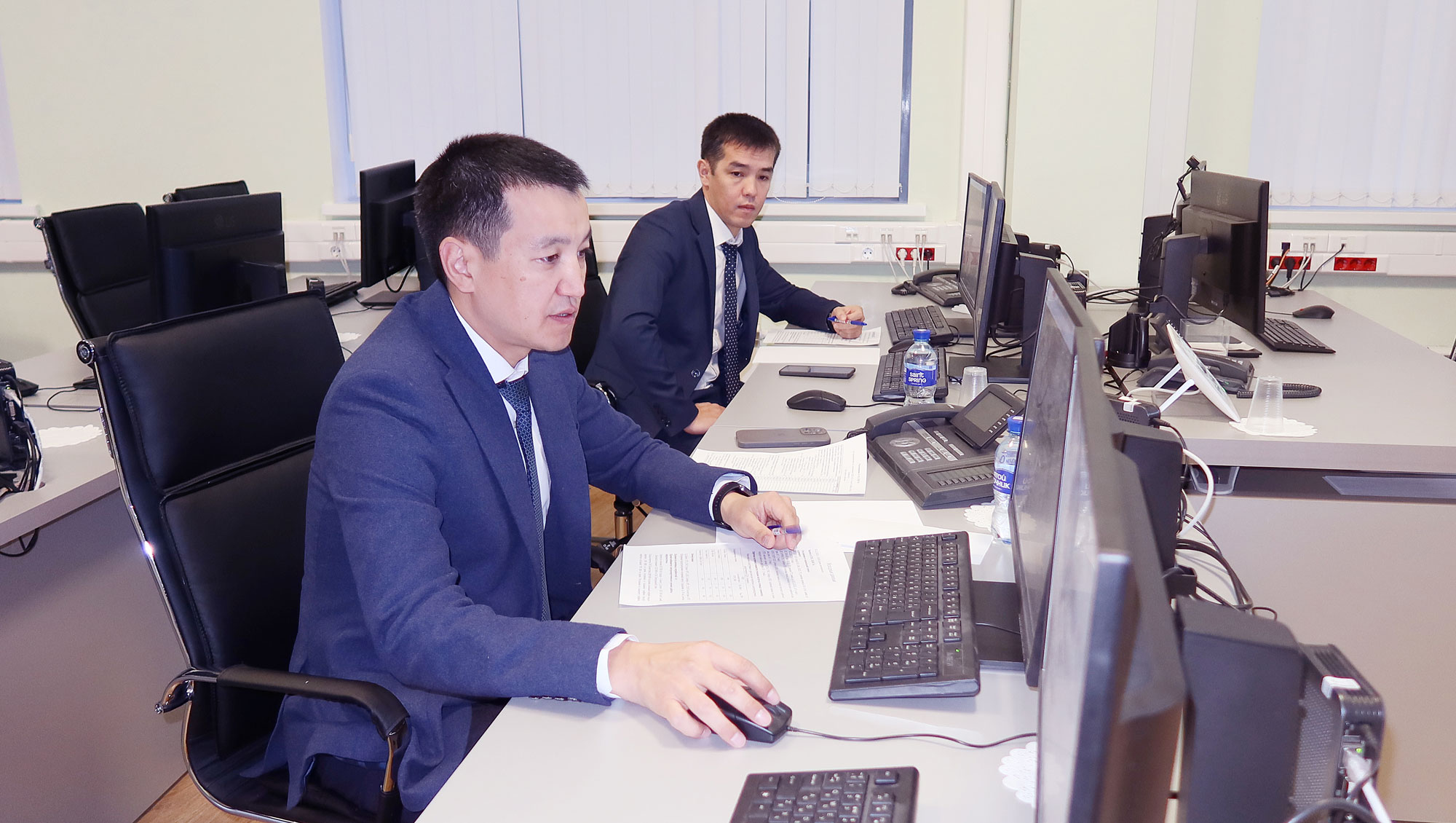
Interaction with educational institutions
In 2025, the Company actively developed cooperation with educational organizations, as part of which a number of memorandums of cooperation were concluded.
On October 23, 2025, KEGOC JSC and the Saken Seifullin Kazakh Agrotechnical Research University signed a memorandum aimed at training highly qualified personnel for the electric power industry, developing joint educational and innovation programs, and implementing research and practical projects. As part of this agreement, work is underway to implement dual education practices.
In addition, the following memorandums of cooperation were concluded:
- with NAO "AUES named after Gumarbek Daukeev" – in 2025, the Company created a modern training laboratory, close to the operating conditions of the National Dispatch Center of the System Operator, for training students and employees of KEGOC JSC, as well as conducting training for operational personnel;
- between the branch of KEGOC JSC Sarbai MES and the private institution "College of Entrepreneurship of KINEU" – on issues of improving the quality of training of qualified workers and specialists in technical and service profiles;
- between the branch of KEGOC JSC Sarbai MES and the State Enterprise "Rudny College of Construction and Transport" – for the training of highly qualified workers and meeting the needs of the socio-economic development of the Kostanay region.
To provide internship opportunities, the Company regularly collaborates with educational institutions. Students from vocational and higher education institutions annually complete on-the-job training and pre-graduation internships at the Company’s divisions. In 2025, 413 students completed on-the-job training.
completed on-the-job training in 2025

Personnel assessment
The Company is improving its performance management system, which helps develop the potential of employees to achieve specific results.
KEGOC JSC operates a formalized Management by Objectives system, which is a key element of personnel performance management and is integrated into the annual performance evaluation cycle. Employee goals are set annually, based on the SMART principle, and cascade from corporate and functional KPIs to individual employee goals. This model ensures a direct connection between the Company’s strategic goals, the objectives of its structural divisions, and the individual contributions of its employees.
The performance evaluation system includes quarterly and annual comprehensive assessments (annual cycles), covering all Company employees, with the exception of categories expressly provided for by the Rules. The quarterly assessment is used to monitor progress toward goals and calculate bonuses, while the annual comprehensive assessment is used to make management decisions regarding compensation, development, talent pool, and career advancement. Therefore, performance evaluation is regular and applies not only to management but also to administrative and production employees.
A comprehensive performance assessment involves distributing employees in a talent map based on their performance in achieving KPIs/goals and their level of competence (professionalism and potential).
Competency assessment is conducted according to an approved competency model and provides the most objective understanding of employees’ personal and professional qualities. The Company’s competency model covers assessment in the following areas:
- Professional knowledge and experience;
- Attitude towards the Company and colleagues;
- Personal effectiveness;
- Focus on achieving results;
- Teamwork;
- Management competencies.
Employee evaluations are based on a combination of performance indicators (KPIs/targets) and competency assessments, ensuring a balance between achieving quantitative indicators and qualitative performance. The evaluation results are directly linked to salary level reviews, the creation of individual development plans, and the inclusion of employees in the talent pool. To ensure objectivity, calibration sessions and evaluation committee meetings are held to review individual performance.
Thus, at KEGOC JSC, the performance assessment system is a comprehensive and sustainable mechanism covering all Company employees, ensuring transparency, comparability and development, and is integrated into the Company’s key HR processes.
The number of employees of KEGOC JSC who underwent a comprehensive assessment of the performance of the Company’s employees based on the results of 2024 in 2025 amounted to 2,434 employees or 54 % of the Company’s headcount, including 376 administrative and management personnel and 2,058 production personnel.
The talent pool is updated annually based on performance assessments. This reporting year, the Management and Functional Pools, comprising 154 people, were approved, along with a list of key positions and a list of mentors.
To determine the effectiveness of this process, the indicator “Percentage of appointments from the Functional/Management pool” is used, which for the reporting period amounted to 74 %.
To develop promising employees, Board of Directors and management hold annual meetings with members of the talent pool. The meeting between KEGOC JSC Board of Directors and management and the talent pool was held on November 17, 2025. An information session on "Artificial Intelligence and Future Leadership: The Role of the Talent Pool in Digital Transformation" was held as part of the meeting.
In addition, the Company holds regular qualification committee meetings to assign categories and grades to specialists and blue-collar workers. Qualification committee members evaluate employees based on the results of a professional interview, which allows for an objective assessment of each employee’s level of knowledge, skills, and experience. In 2025, 123 specialist categories and 201 blue-collar grades were assigned.
To ensure a comprehensive career guidance process for employees and to support their professional development, the Company operates a mentoring system. In 2025, mentors received a total of 7,393,900 KZT in compensation for training interns.
Mentors who have achieved the best results in educating young people participate in the annual competition for the title of "Best Mentor of the Year".
Structure of assessed employees
Structure of employees who have undergone assessment by category, %
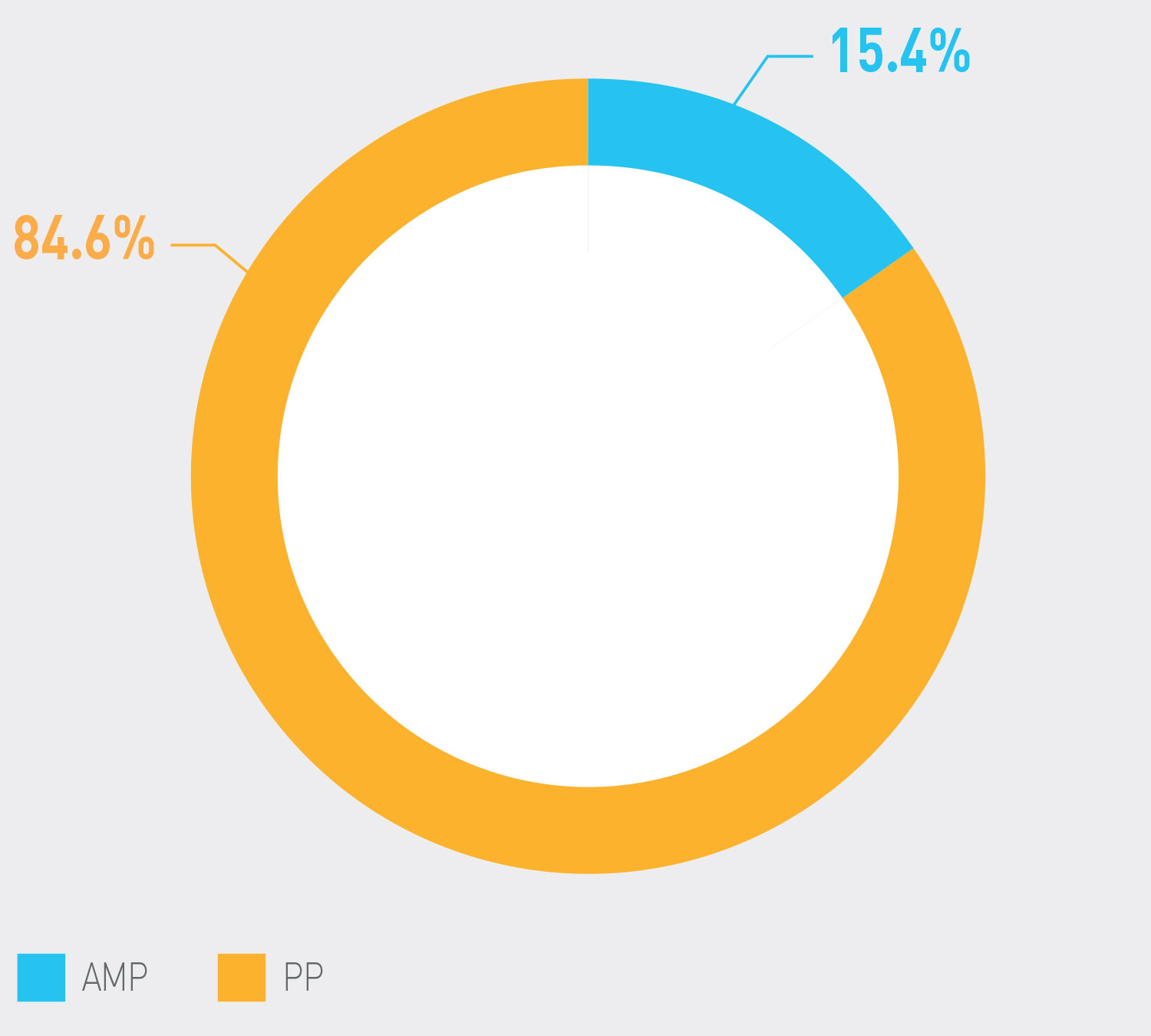
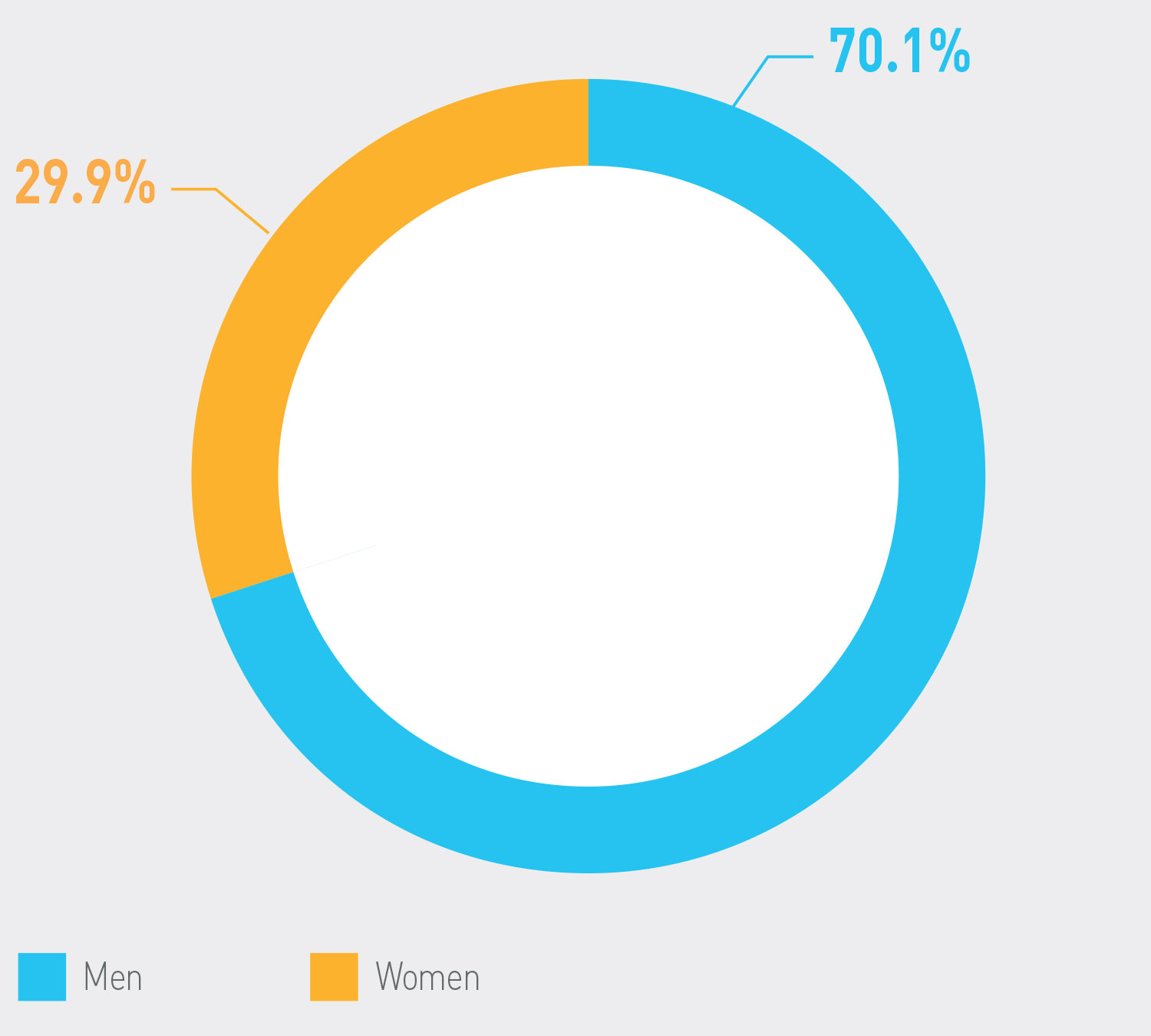
Gender structure of employees who have undergone assessment, %
Strategic workforce planning and data analytics
Strategic personnel planning is carried out as part of the annual procedure for the formation and approval of the Action Plan (Business Plan) for a 5-year period on a rolling basis and the Budget of KEGOC JSC for the year.
The following types of personnel costs are planned for the period 2025–2029: wages and bonuses, social support, taxes and mandatory deductions, training and development, as well as the need for additional personnel.
When forming the wage fund, the data of the salary survey, statistics of average monthly wages by industry and region, the inflation rate, as well as the financial and economic capabilities of the Company are taken into account.
The Company’s headcount planning is based on the investment program, employee turnover rates, projected number of employees, pre-retirement age, etc. For the period 2026–2030, additional headcount is planned for servicing facilities commissioned as part of the investment projects "Integration of the Western Kazakhstan Power System with the Unified Power System of the Republic of Kazakhstan" and "Strengthening the Electric Grid of the Southern Zone of the Unified Power System of Kazakhstan", as well as in connection with the acceptance of the 220 kV Batys substation into trust management.
The calculation of the additional number was made on the basis of the Standards for the number of personnel of electric grid organizations carrying out operational and repair work on intersystem power transmission lines and substations, developed and agreed upon with the Ministry of Labor and Social Protection of the Republic of Kazakhstan and the Ministry of Energy of the Republic of Kazakhstan, in accordance with the Rules for the submission, consideration and approval of labor standards and (or) parameters for the remuneration system of employees of organizations for whose services (goods, works) state regulation of tariffs (prices, fee rates) is introduced, approved by order of the Minister of Health and Social Development of the Republic of Kazakhstan.
As part of the continuity of generations, the list of pre-retirement age employees is updated annually, according to an internal procedure, for whom goals are set for the preparation of successors and the transfer of knowledge during the calendar year.
The Company is working to develop industrial relations (IR). Based on the IR screening results, an action plan has been developed to address the identified nonconformities.
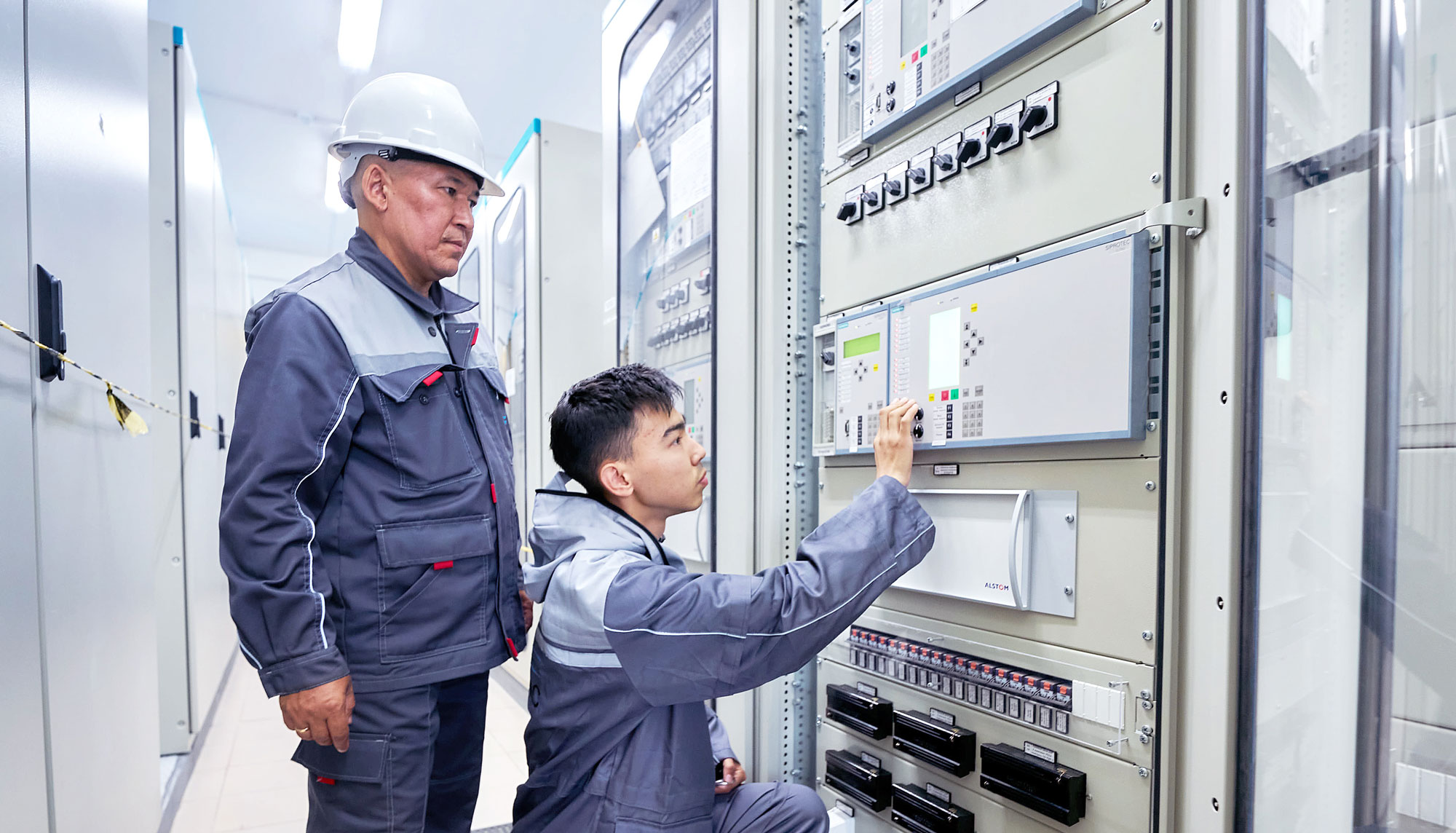
In 2025, the Company continued to develop industrial relations to maintain favorable working conditions. In accordance with the Action Plan for Improving Social and Living Conditions at Production Facilities, 572 violations were scheduled for resolution. By the end of 2025, 559 (98 %) of these nonconformities had been resolved.
Collective agreement and trade union activities
KEGOC JSC employees have the right to freedom of association, including the right to create and join public organizations that represent their interests. The company supports employee participation in political, educational, and other public activities, provided such participation does not interfere with their work responsibilities or cause harm to society.
KEGOC JSC recognizes and supports the right of employees to collective bargaining and the conclusion of collective agreements.
The collective agreement, developed with input from all Company employees and concluded between KEGOC JSC and its workforce for 2021–2025, covers the procedures for joining the agreement, work schedule regulations, including rest time during social leave, wages, occupational safety and health protection, social guarantees and compensation, and specifies measures to support employees and develop human resources, health insurance, and cultural and leisure activities for employees. It includes new amendments and additions regarding the provision of special clothing, footwear, and other personal protective equipment to employees at the Company’s expense. It also addresses issues related to social support for WWII veterans and persons equivalent to them, as well as veteran energy workers registered with the Company.
KEGOC JSC ensures regular and institutionalized interaction with employee representatives on issues related to working conditions, social and labor relations, and the protection of employee rights. This interaction is based on the Collective Agreement and is aimed at taking employee interests into account when making management decisions affecting working conditions and work schedules.
A collective agreement is concluded between the employer and employee representatives and is the result of social dialogue, addressing issues such as working hours and rest time, wages, occupational safety, social guarantees, and compensation. The process of drafting and updating the collective agreement includes the participation of trade union bodies and the consideration of proposals from employees and their representatives. The employer is obligated to cooperate with the trade union when resolving issues affecting employees’ labor rights, including procedures for terminating employment contracts with members of elected trade union bodies. In such cases, the Company requests the trade union’s reasoned opinion and makes decisions taking into account the position of employee representatives, which confirms the practice of regular consultations and approvals. This interaction is systemic and ongoing an element of the social partnership system that ensures that the opinions of employees are taken into account, social risks are reduced, and sustainable labor relations are maintained.
GRI 2-30
KEGOC JSC employees have the right to freedom of association, including the right to establish and join public organizations that represent their interests. The Company recognizes and supports the right of employees to participate in public activities, including trade unions, subject to compliance with their work obligations and the laws of the Republic of Kazakhstan.
KEGOC JSC recognizes and supports employees’ rights to collective bargaining and collective agreements. In the 2025 reporting year, with the active participation of the trade union, a new Collective Agreement for 2026–2032 was concluded. This agreement is the result of social dialogue between the Employer and employee representatives and aims to further strengthen the Company’s social partnership system.
The collective agreement regulates matters related to working conditions and remuneration, working hours and rest periods, occupational safety, social guarantees and compensation, and also provides for additional social support measures for employees compared to those provided for in the legislation of the Republic of Kazakhstan. The drafting and conclusion of the collective agreement was carried out with the participation of trade union bodies and took into account proposals received from employees and their representatives.
The collective agreement applies to all (100 %) KEGOC JSC employees, regardless of their employment status. Its terms ensure compliance with procedures for informing employees of changes in working conditions, as well as the consideration of the trade union’s opinion in cases affecting employees’ labor rights, including the termination of employment contracts with members of elected trade union bodies.
The KEGOC JSC Energy Industry Workers’ Trade Union works to protect the labor, socioeconomic rights, and interests of employees. During the reporting year, trade union committees actively participated in organizing and hosting socially significant, cultural, sports, and recreational events, as well as events supporting veterans and retired energy workers.
The trade union places special emphasis on occupational safety and health. Employee representatives and public technical inspectors participate in efforts to monitor compliance with occupational safety requirements and improve working conditions at the Company’s production facilities. This work is carried out in collaboration with the Employer within the framework of existing social partnership mechanisms.
During the reporting year, with the participation of trade union bodies, the Company also organized and held competitions for "Best Mentor of the Year", "Best Branch for Compliance with Occupational Safety Requirements", and "Best Technical Occupational Safety Inspector", aimed at disseminating best practices, improving occupational safety culture, and motivating employees.
In accordance with the terms of the Collective Agreement, the employer is required to notify employees in writing of changes to working conditions at least fifteen calendar days in advance. The minimum notice period for employees terminating employment contracts due to staff reductions is stipulated by the Company’s Collective Agreement and is one month, in accordance with the Labor Code of the Republic of Kazakhstan.
The trade union of energy industry workers was established on March 27, 2003, at a trade union conference of KEGOC JSC employees. The union is tasked with monitoring compliance with labor laws and the maintenance and implementation of guarantees, compensation, and benefits.
Today, the Energotekhprofsoyuz public union comprises 11 primary trade union organizations. The total membership of the KEGOC JSC employees’ union is 3,981, representing over 95 % of the Company’s total workforce. The number of trade union members increased by more than 1 % compared to the previous year (In 2024, membership accounted for 94 % of the Company’s total workforce).
As a member of the Republican Association of Trade Unions of the Kazakhstan Confederation of Labor, the trade union organization of KEGOC JSC is a permanent member of the working commission and takes an active part in the work of the commission of the Ministry of Labor and Social Protection of Population of the Republic of Kazakhstan on the Labor Code and the Law of the Republic of Kazakhstan "On Trade Unions".
As part of improving the legal literacy and competencies of trade union activists, training was conducted for members of the Conciliation Commission in 2025.
The training was aimed at developing practical skills for resolving labor disputes and increasing the effectiveness of social dialogue.
In order to summarize the results of trade union activities and discuss current issues of social and labor relations, a reporting conference was held on December 10, 2025, in Astana with the participation of delegates from all branches of KEGOC JSC.
In 2025, KEGOC JSC ensured the institutional development of its human rights and gender equality policy: the Action Plan for Ensuring Human Rights and Gender Equality for 2025 and the Regulation on the Women’s Energy Community were approved.
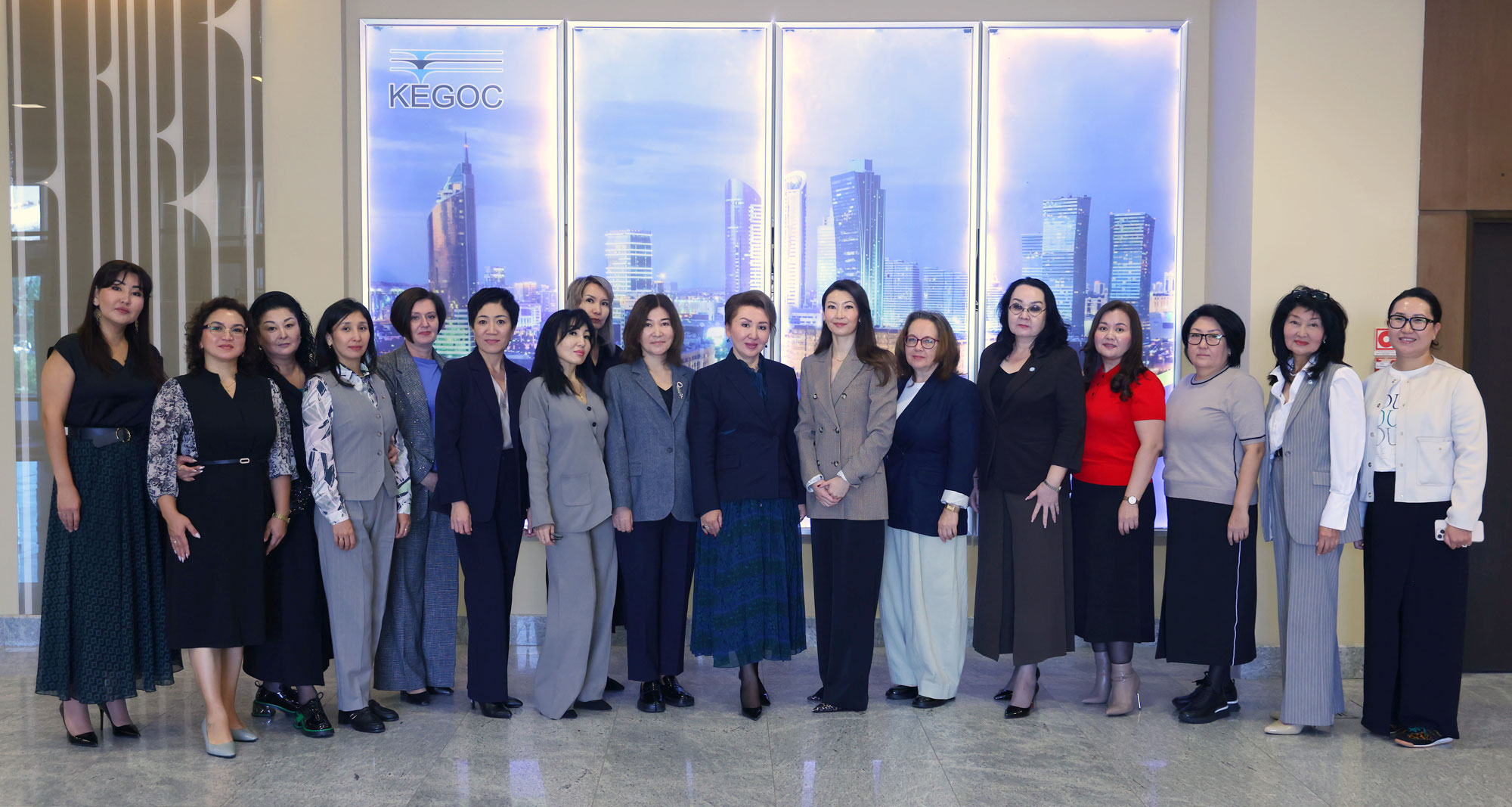
The creation of the Women’s Energy Community "ENERGY Shuagy" has become a systemic initiative of the Company aimed at developing women’s leadership potential, increasing their involvement in corporate processes, and creating an inclusive organizational culture.
The Community’s first (introductory) meeting was held, attended by approximately 700 female employees of the Company’s Executive Directorate and branches, both in person and online. Following the meeting, a 17-member Executive Committee was elected, including two Managing Directors and members of the Management Board of KEGOC JSC, confirming the initiative’s strategic support at the senior management level.
As part of the Community’s activities:
- a corporate survey was conducted (380 participants) on issues of developing women’s leadership, involvement, identifying barriers and developing proposals for their elimination;
- a competition was organized to determine the name of the Community (184 participants), following which the name “ENERGY Shuaғy” was approved;
- the educational master class "Leadership in Action: The Energy of Choice" was implemented.
The Company ensured the representation of women energy workers at the industry level: KEGOC JSC representatives spoke at panel sessions at the 7th Forum of the Women’s Energy Club of the KAZENERGY Association as part of the 16th Eurasian Forum, presenting the Company’s practices for developing women’s leadership and professional growth.
As part of the implementation of the Action Plan:
- a special information and analytical project was implemented for March 8, “Women in Industry in Kazakhstan: Role Models and Influence on Society”;
- an information session on issues of prevention and maintenance of women’s health was held with the participation of a specialist;
- The promotion of the results of initiatives in the media space was ensured.
Based on the results of 2025, an Action Plan for the further improvement of the human rights and gender equality policy for 2026 was developed. This plan provides for the development of leadership competencies, expansion of the regional coverage of branches, the implementation of training programs on diversity, equality, and inclusion, and the strengthening of a corporate culture based on the principles of respect, equal opportunity, and sustainable development.
Development of corporate culture
To improve teamwork, loyalty, and a positive work environment, Company employees regularly participate in corporate events. In 2025, for example:
- In order to develop corporate culture, a team building event, "Energy in Motion: Charge Up!", was held on the Company’s founding day.
- Two “Donor Day” events were held with the active participation of employees.
- From February 21 to 22, 21 people took part in the Winter Spartakiad of Samruk-Kazyna JSC, in the opening ceremony of the Spartakiad and the ski race.
- From April 4 to 6, 2025, the KEGOC JSC Spartakiad (qualifying competitions) was held in order to participate in the Samruk-Kazyna JSC Spartakiad.
- On May 3, 44 people took part in the III Charity Samruk Marathon.
- In August, a volunteer fundraising campaign was held for low-income and low-income families as part of the charity event "Let’s Get a Child Ready for School" in the Almaty district of Astana (25 backpacks with school supplies were purchased).
- On October 1, a meeting was organized for pensioners of the ID, the branch of the NDC SO, registered with KEGOC JSC, as well as the DO (directorate) in honor of the Day of the Elderly (40 people) and the delivery of food packages to home addresses (10 people).
- On October 2, we participated in the 7th Forum of the Women’s Energy Club of the KAZENERGY Association, preparing presentations and a video of speakers for panel sessions on the Company’s gender policy.
- December 8, 2025 II International Congress of Women in Industry and Technology "Women Career Lab" – Career Laboratory for young and experienced specialists in scientific and technical specialties.
In December, we took part in organizing and holding the charity event "Zhurekten – Zhurekke" with the aim of supporting special children in Astana, as well as in the event "Ayelder қanaty" of the city branch of the "AMANAT" party with the presentation of New Year’s gifts to children from large and low-income families in the Sary-Arka district.
As part of the development of youth policy in 2025, members of the Youth Affairs Council (YAC) took part in:
- in organizing and holding a meeting of power engineers as part of a unique interactive festival dedicated to the “Year of Working Professions”;
- sporting events: Spartakiad of KEGOC JSC; Spartakiad of Samruk-Kazyna JSC;
- festive and corporate events;
- volunteer events, clean-up days, etc.
As part of the Birgemiz Expedition project, members of the KEGOC JSC Youth Council visited the production facilities of Qazaqgaz JSC. As part of this project, members of the KazMunaiGaz Youth Council learned about the operations of KEGOC JSC’s Akmola MES 500 kV substation.
Young leaders of blue-collar professions from KEGOC JSC participated in the "7 Qadam Pro" modular training program. The program was successfully implemented from April 16 to September 1, 2025. Participants completed modular training in three cities across Kazakhstan and presented and defended their project proposals. Following the training, two employees from KEGOC JSC branches successfully defended their projects. The winners were awarded at the final event, "The Year of Blue-Collar Professions", in Astana. In accordance with the approved Qadam Hub program, a preliminary online project defense took place from November 10 to 14, 2025. Eighty-four projects from participants from Samruk-Kazyna Group companies were submitted for consideration. Following the evaluation, seven employees from KEGOC JSC branches were admitted to the final round. The final project presentations took place on December 19, 2025, as part of the Qadam Hub section. Based on the presentation results, the conference jury selected the seven most promising projects. A Company employee and participant in the 7 Qadam MASTER program took part in the International Championship of High-Tech Professions, "High-Tech: Skills of the Future-2025", held in Yekaterinburg from November 10 to 14.
The Company consistently implements a policy of effective personnel management, viewing investments in human capital as one of the key factors for sustainable development and operational efficiency.
In the reporting period, the Company’s total expenses related to employees, including expenses on wages, provision of social benefits, as well as expenses on recruitment, training and development of employees, etc., amounted to 50,018,158.28 thousand KZT.
| 2022 | 2023 | 2024 | 2025 | |
|---|---|---|---|---|
| Employee costs, KZT million | 31,839.5 | 37,469 | 43,637.9 | 50,018.2 |
| Return on investment in human capital | 2.28897 | 2.51443 | 2.84151 | 2.90160 |
Issues of social well-being in teams are under the control of the Company’s top management.
Annually, we conduct research on employee engagement indices (calculated based on questionnaires and an online survey of administrative and management personnel) and the level of social stability (SRS) – one of KEGOC JSC’s key HR policy indicators, measured among production personnel. The research is conducted through an online survey of production personnel, providing a comprehensive picture of the social well-being of the Company’s workforce. In the reporting year, 877 employees, representing 25 % of the total workforce, participated in the survey.
The primary purpose of the SRS is to diagnose problem areas in labor relations, enabling the adoption of both corrective and preventative measures. The SRS score is composed of three indices:
1) The engagement index measures the following parameters:
- Employee satisfaction with the material and technical infrastructure necessary for high-quality and comfortable performance of work;
- satisfaction with the workload and safety precautions;
- employee satisfaction with the social package;
- employee loyalty to companies;
- development and career opportunities of employees (training and meritocracy);
- compliance of the level of remuneration with the work performed;
- Communication: setting assignments and tasks, taking into account employees’ opinions when making decisions.
2) The Social Well-Being Index provides:
- assessment of well-being in statics and dynamics;
- assessment of workers’ health and their participation in public life;
- assessment of financial well-being.
3) The Social Peace Index reflects:
- assessment of the social climate in the team;
- assessment of the degree of protection of labor rights;
- assessment of the level of conflict in the team;
- attitude towards protest as a method of resolving labor issues;
- assessment of the likelihood of protests and experience of participating in them.
By the end of 2025, KEGOC JSC achieved sustainable positive results in implementing its HR and social policies. The Social Stability Index was 88 %, up one point compared to the previous year and exceeding the established target of 87 %.
The Social Peace Index reached 97 %, the Social Well-Being Index 85 %, and the Employee Engagement Index 90 %, reflecting a high level of employee trust in the Company, their satisfaction with working conditions, and commitment to corporate values.
The achieved indicators demonstrate systematic and consistent efforts to develop human capital, maintain constructive social dialogue, ensure employee social security, and foster a sustainable corporate culture. Overall, the results confirm the effectiveness of the Company’s HR and social policies and the creation of a favorable social environment.
SRS Index
| Name of the indicator | 2021 | 2022 | 2023 | 2024 | 2025 |
|---|---|---|---|---|---|
| SRS index | 85 | 86 | 86 | 87 | 88 |
| % of employees who took part in the survey | 16.6 | 32.9 | 58.3 | 24.1 | 25.0 |